

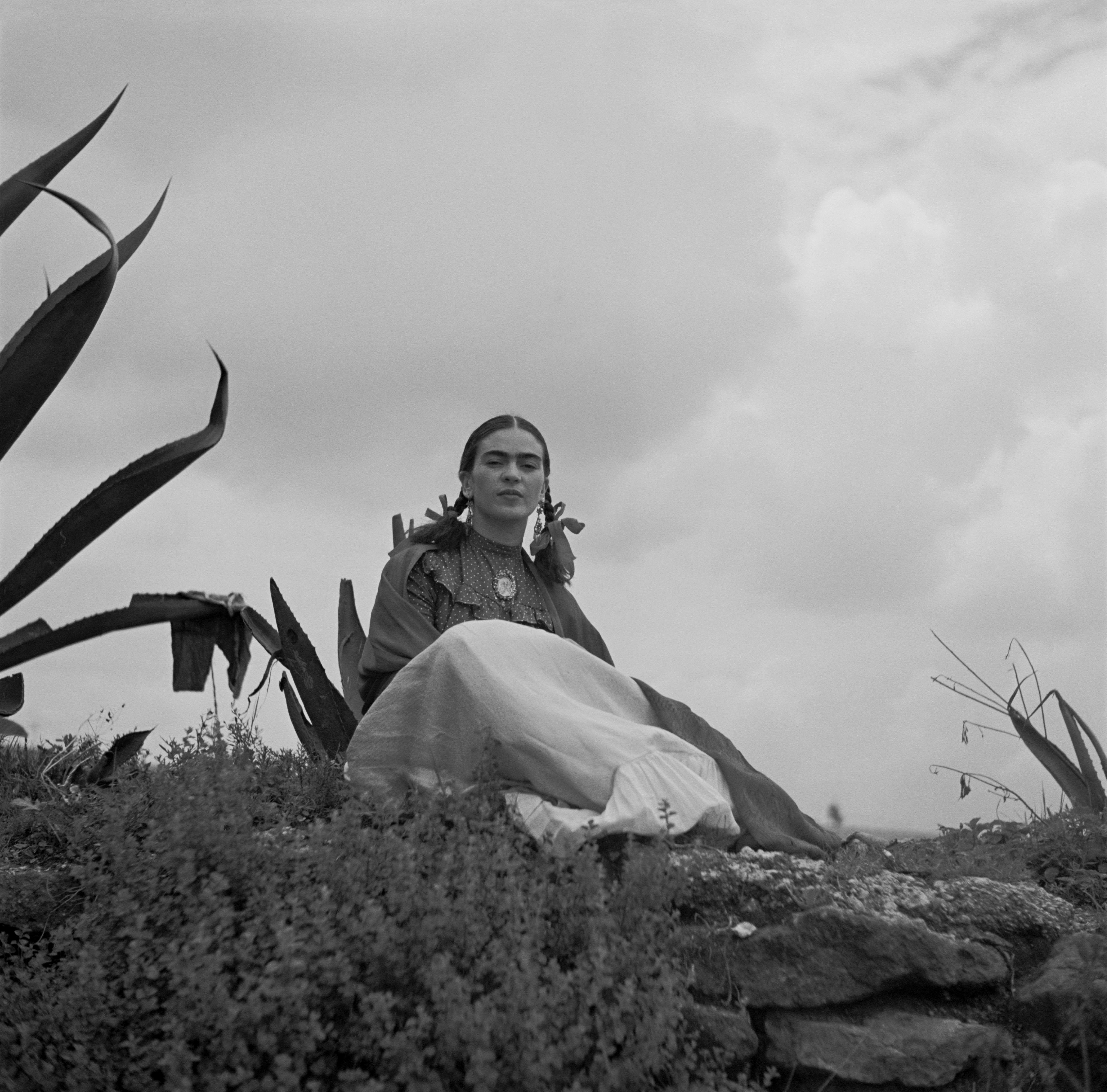
Problematizing “Frida-Mania”
2am, 3am, 4am. Every single time slot was booked when the V&A opened its doors for a full 48-hour period during the last few days of the “Making Her Self Up” exhibition. Preceded by the 2017 Frida Kahlo show at The Dalí Museum, and followed by the largest ever retrospective of the artist’

Part One: The Sixth Extinction
The twenty-four haphazardly arranged blocks of ice deposited on the wet grey tarmac outside the Tate Modern present a peculiar sight. Familiar, yet alien to this space, the gargantuan lumps encourage curious onlookers to engage in strange, even bizarre ways. Some maintain a careful physical distance

Fashion
Writhing, smiling, touching her teeth and her chest: those are the first images that greet you in the video for Bjork’s Big Time Sensuality (1993), the fourth single from her fittingly titled debut, Debut. She blinks and grins down the lens – spinning back and forth on the back of a moving truc
‘Spellbound’ at the Ashmolean review – ‘bewitching’
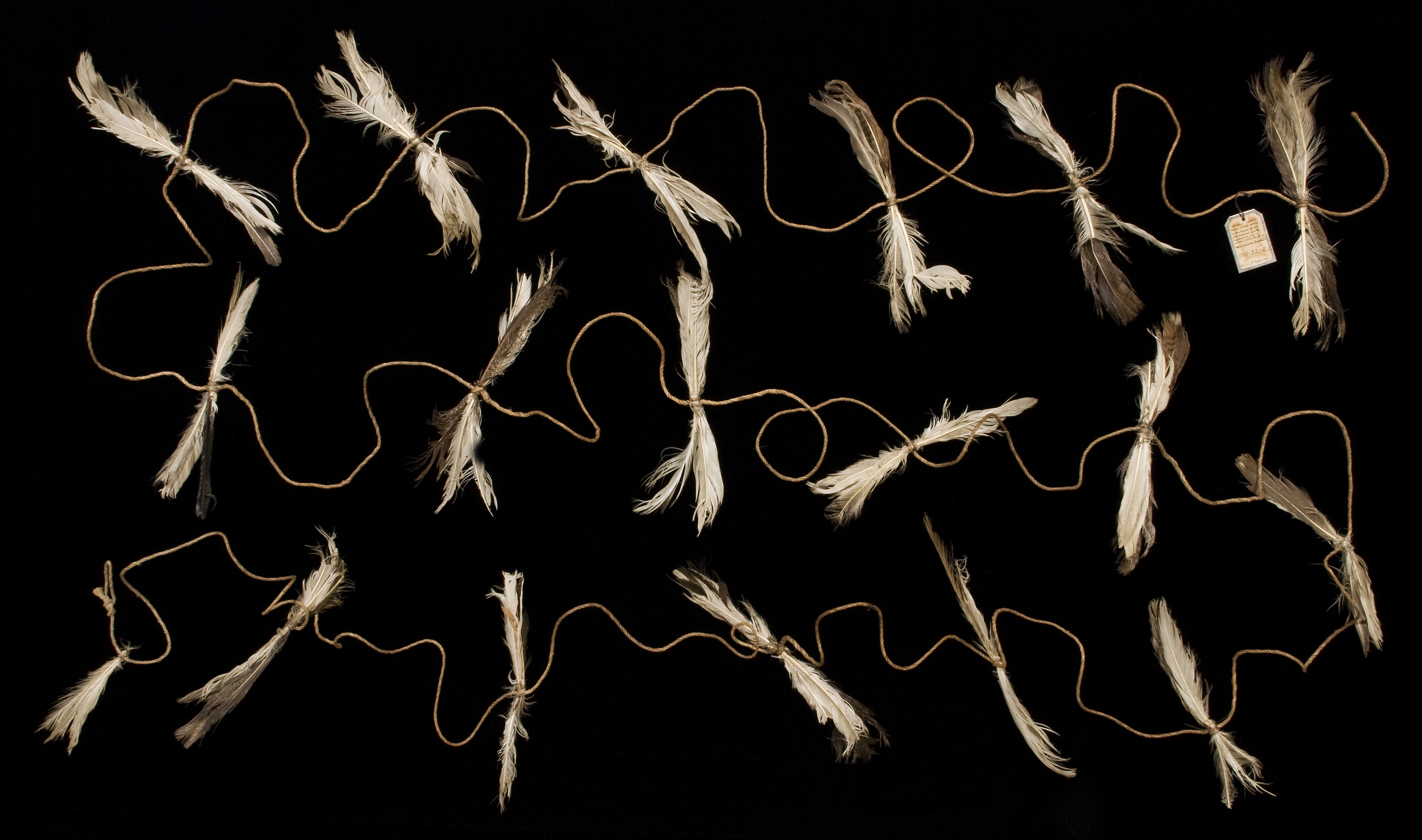
With something for historians and die-hard Harry Potter fans, Spellbound, the Ashmolean’s latest exhibition is certainly bewitching. Spanning four rooms and eight centuries, the exhibition reveals a continuum in human thought: 180 objects from the 12th century to modern-day Europe. But what is mos
The Destruction of Art and Architecture in Delhi
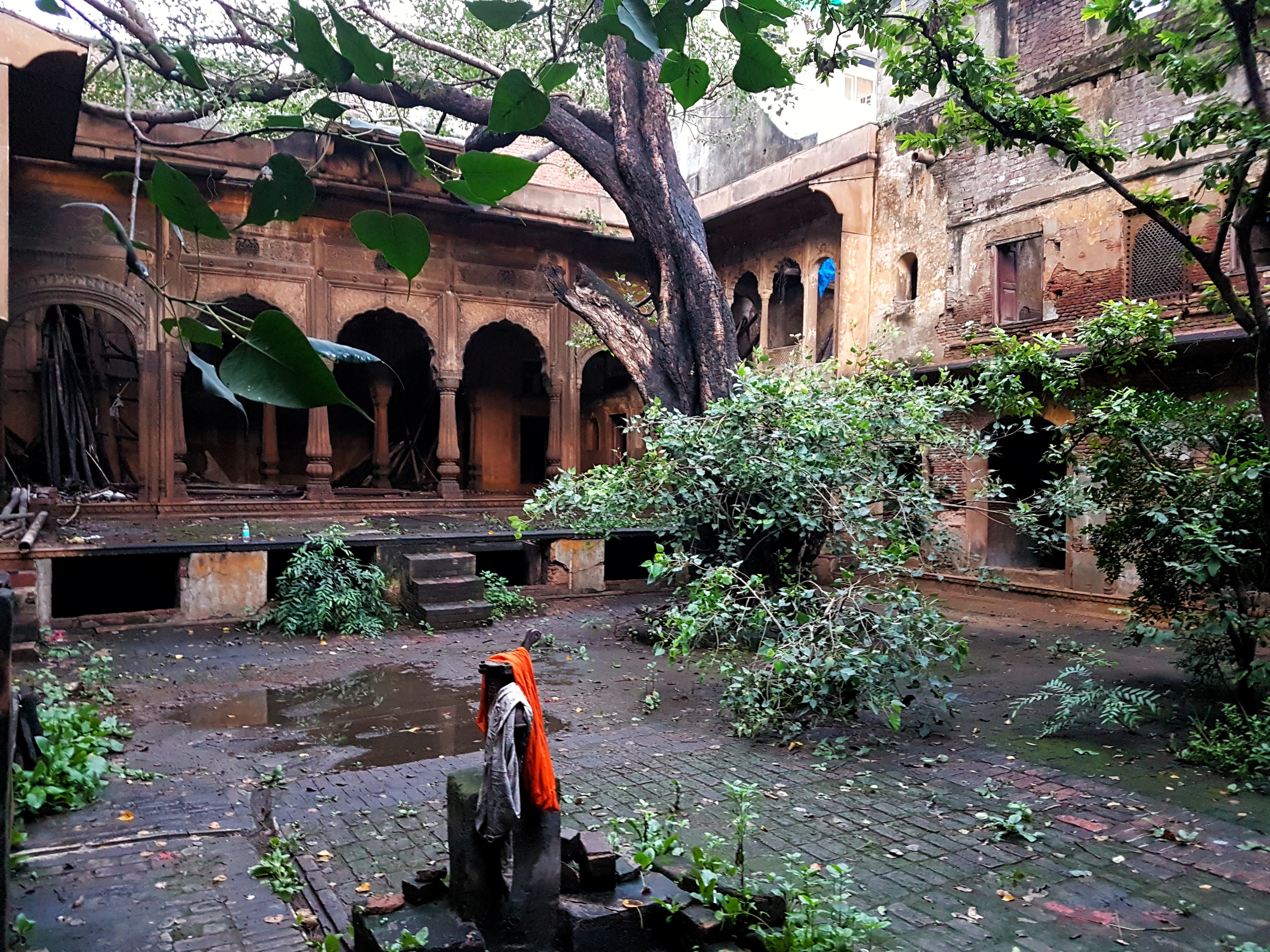
Wandering through the streets of Old Delhi at dawn is unlike anything else. While the crowds of market sellers, imams, and cycle rickshaws lie asleep, the last remaining traces of the Mughal capital loom over you through the morning mist. One discovers a whole new set of marvels on every trip: the m
Too obscene for the screen
Imagine being a small restaurant owner in Newport Beach, California in 1971. It’s an average start to the day like any other, you’re going around making sure that everything is ready for opening time and then, the postman drops off some mail. This is nothing exciting, you might get a couple of b
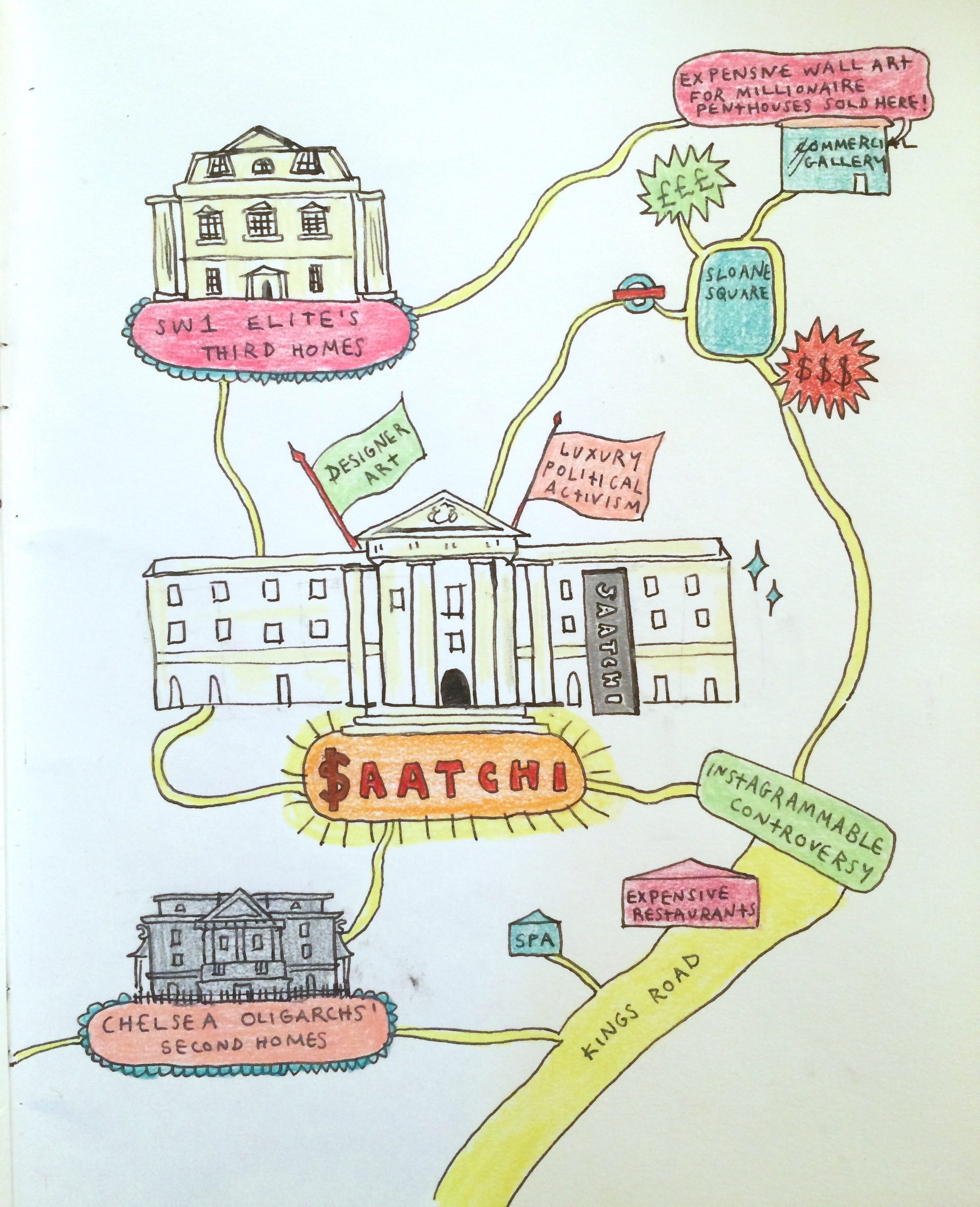
Art Riot: Post-Soviet Actionism at the Saatchi Gallery
In September 1917, a month shy of the Bolshevik Revolution, T.S. Eliot wrote that “Europeans […] fail to note that there are many kinds of Russians, corresponding to the many kinds of their fellow countrymen, and that most of these kinds, similarly to the kinds of their fellow-countrymen
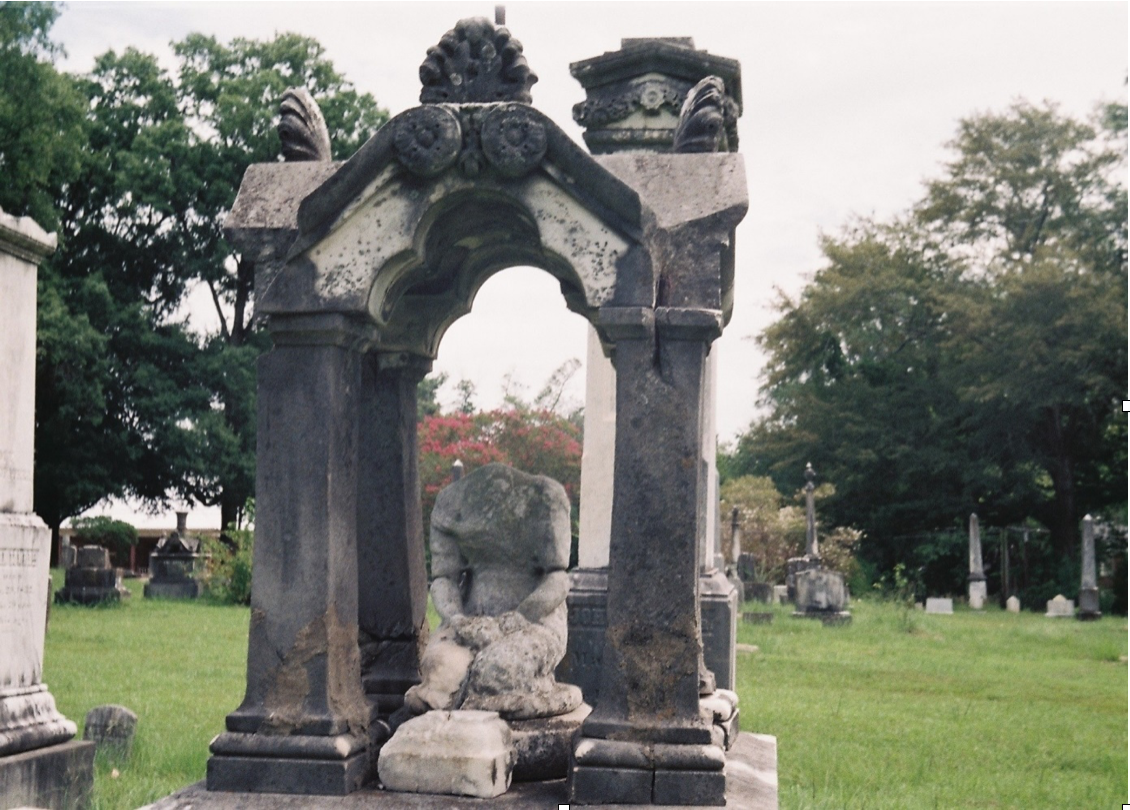
Exorcising Mississippi’s Cemeteries
“Mississippi had no art except in cemeteries”. These words of Eudora Welty’s, a comment on her photographs of graveyards around the state, have strangely buried themselves in me. It is not that the general sentiment is unfamiliar. Southern artists frequently motioned towards themselves as awkw

Women of the Left Bank
Paris in the 1920s: bohemian, artistic and sexually liberated. This impression of the ‘les années folles’, as the French call it, is a well-established one and ingrained in our conception of Modernism. Even today, the idealised myth continues in popular culture. The success of Woody Allen’s f