

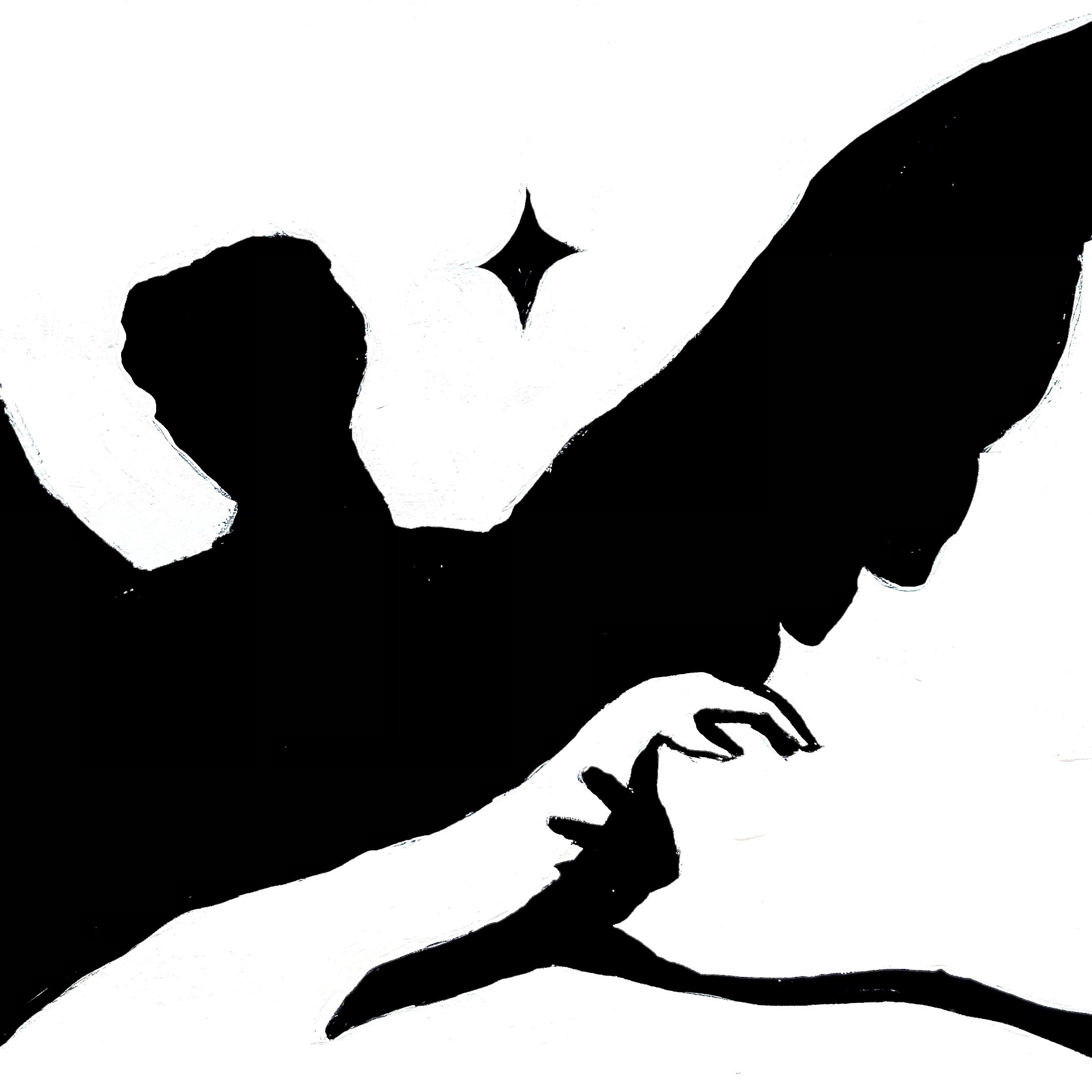
The Stripping of the Altars
They from London came and armed with pages: scrolls proclaiming you a wolf in wool. Father, it seems you have misled us. We went picking fruit and ploughing, strapping boots to furrow sunrise after sunrise into penance. But you did nothing sacred with the tithe. All the sundry charms you hall

sonnet for the new age
before contemporary verse meaning was contained in a frame solidified by ruling rhyme and iamb. we feared weaning poems off their infant structure defied all comfort reason and tradition raised into being an unbound form of word doomed to non-meaning only to be praised by howling radicals wit
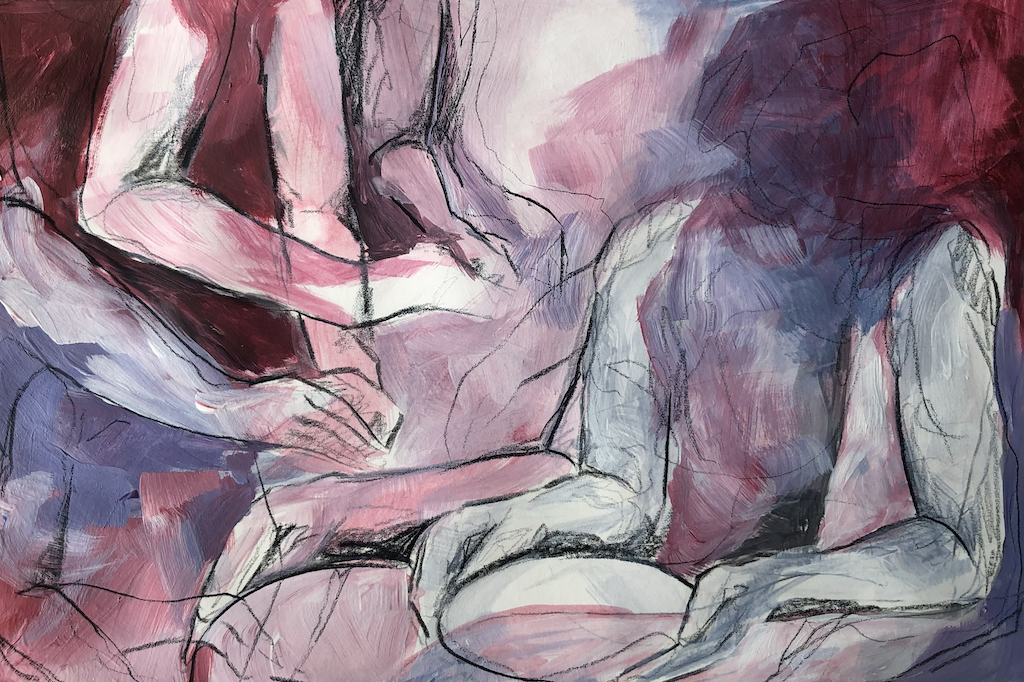
JESA
We invited our ancestors to dinner for a feast too good for the living a low lacquered table lay immaculate and swept — a week’s worth of preparation on smooth wooden platters porcelain cups metallic bowls; a different clack thud and tinker at each spare movement — and

Berlin Prayer
The Spree Komtesse is groaning with passengers The tables are laden with hams and bratwurst This summer’s arteries are almost cut – Out spill the last songs of the August nights From all four chambers of her heart And the black Spree takes us rolling and rolling Cradling us down her a
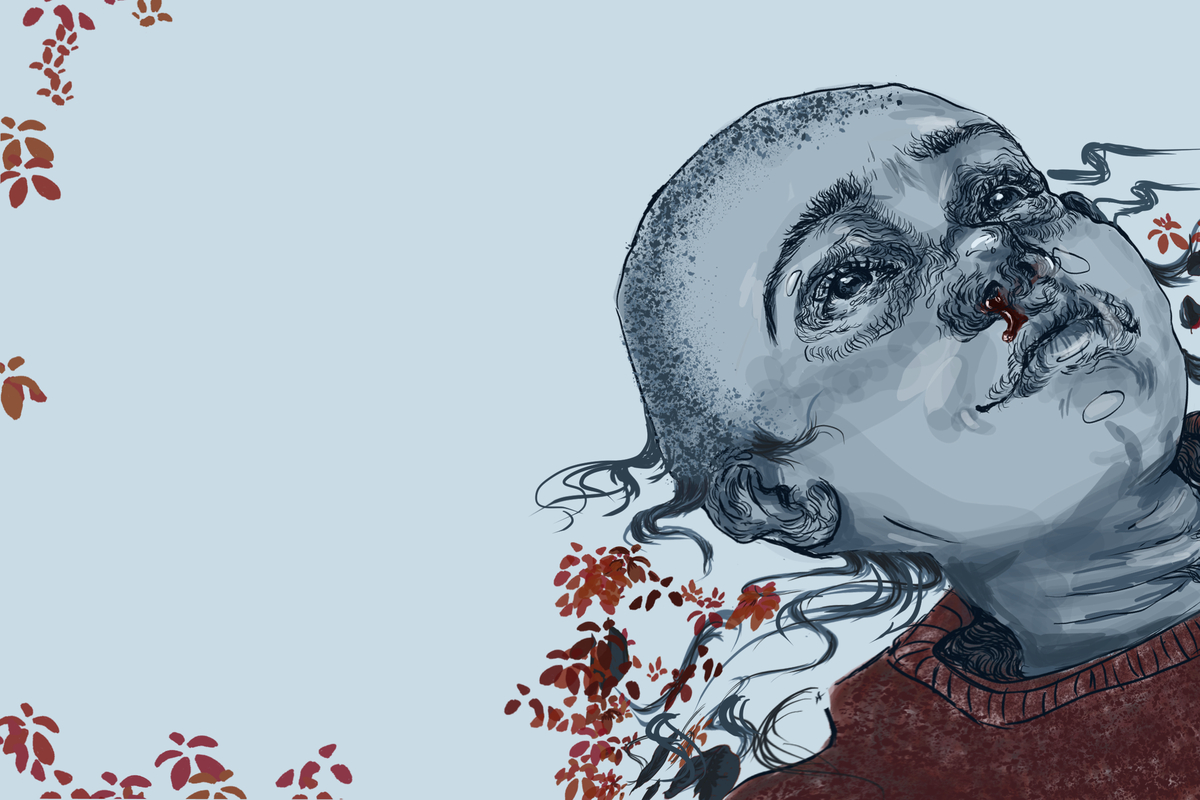
Go Figure
“During those days, women were mistreated to spare the guilty from chastisement. They even went as far as shaving women’s heads.” Go figure. I, whose remorse was The wretched woman Left on the pavement. The conceivable victim, Her dress in ta
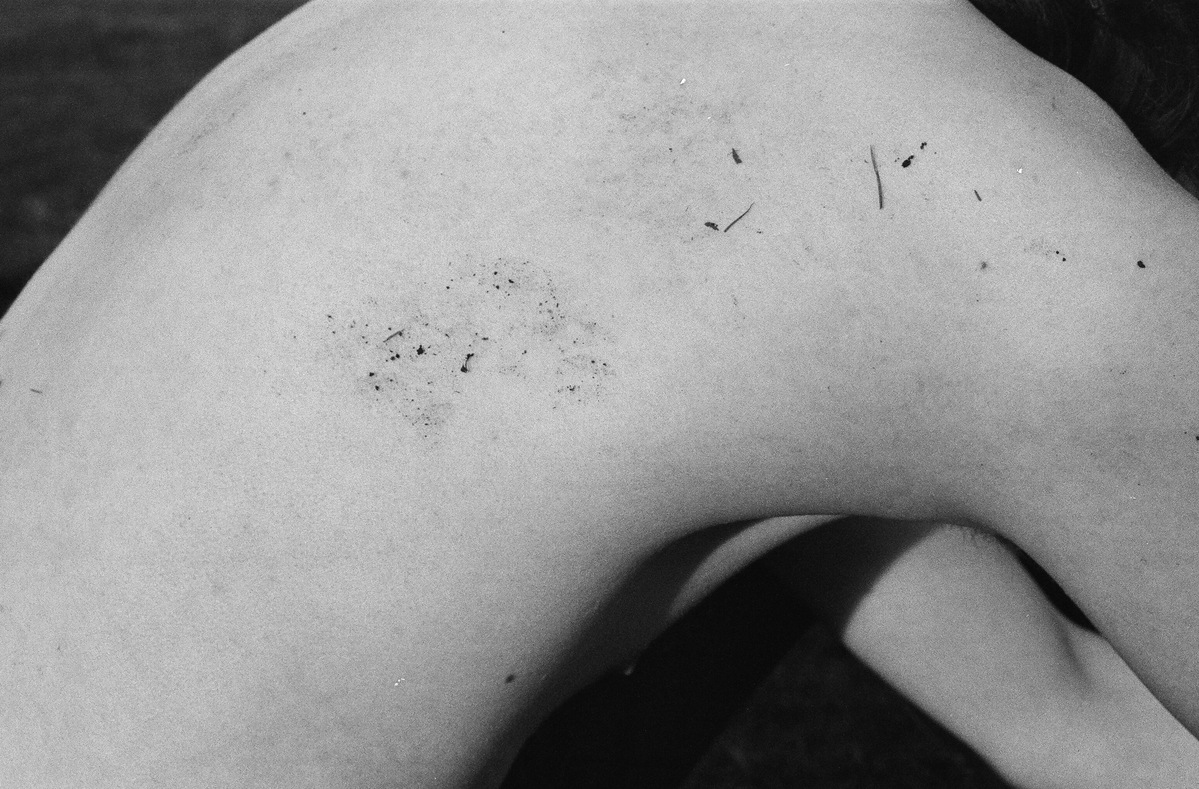
white horse
[inspired by White Horse Hill in Folkestone, Kent] on the hill with the wind in my face: the hill where the white horse shines where they stood long ago, saw the rock, and began to carve where today the hiss of steam trains washes through the valley and lambs lie in the [&hellip

help for when the tide is out
Sometimes I forget that I can walk for hours – So unlike the long stupid steps, my crawl Under a desk or up the stairs or through the Door when drunk, a spilled coin of vodka Inflating itself on the bedroom carpet, piles Of laundry, crowded surfaces, weight of loose change – And if [&hell
Frozen In Time: A Classicist’s Portrait of Interwar Oxford
In one of the more blatantly cliché moments of my life, I watched the 1981 TV adaptation of Evelyn Waugh’s iconic Oxford interwar novel Brideshead Revisited. Notwithstanding the fact that Oxford only features in the first four episodes, it remains that for many of us, Brideshead played a part in