

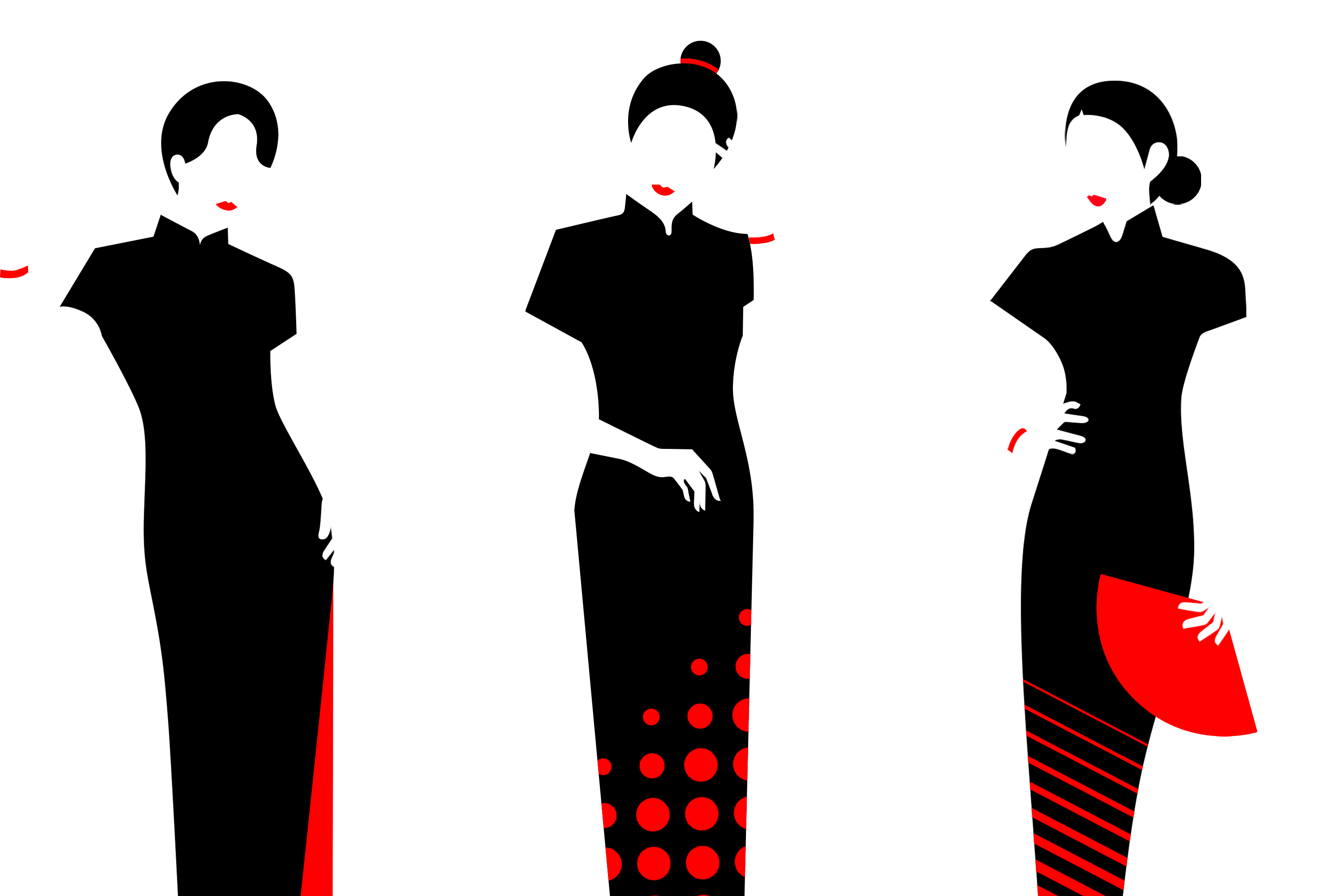
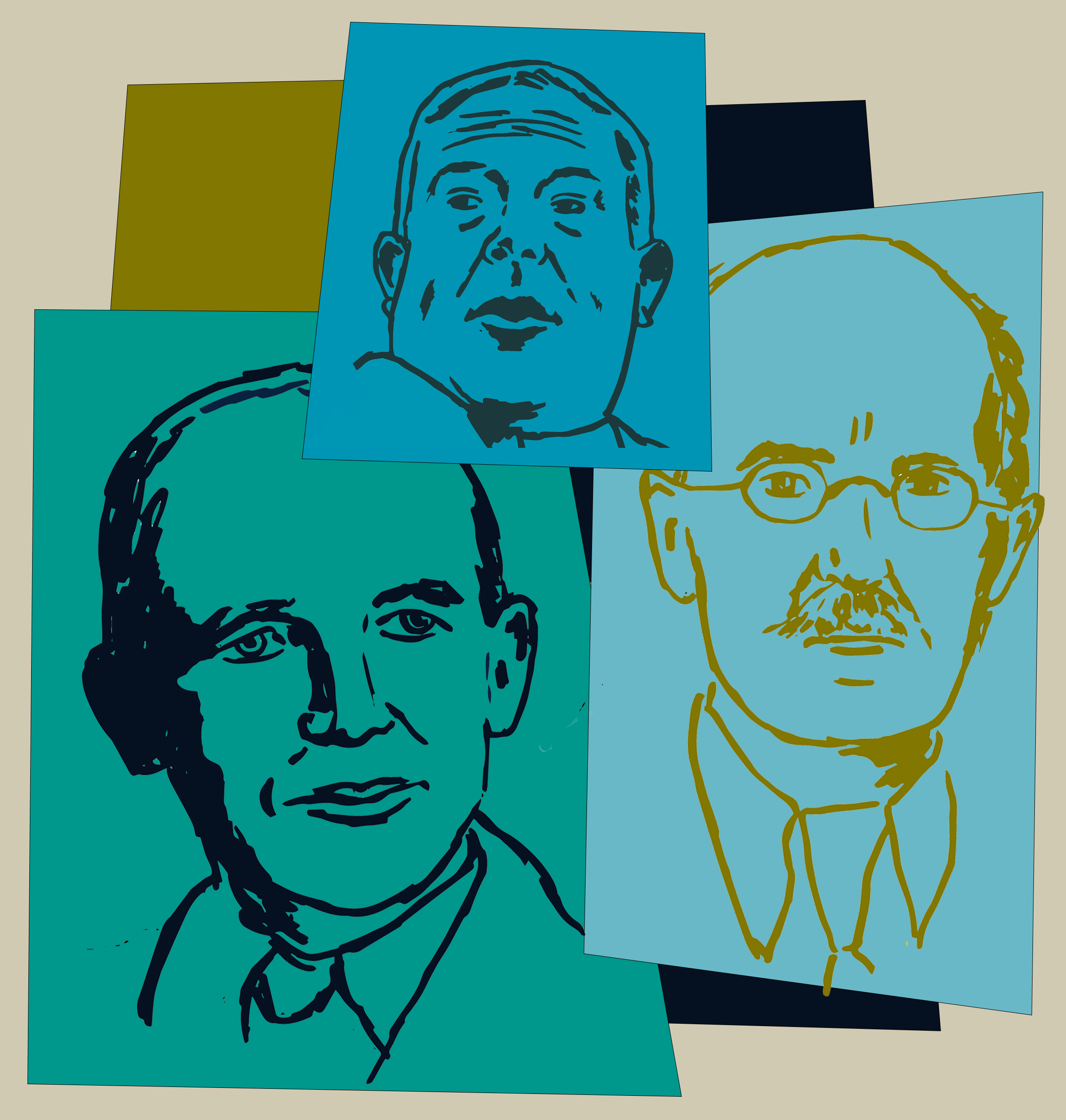
Frozen In Time: A Classicist’s Portrait of Interwar Oxford
In one of the more blatantly cliché moments of my life, I watched the 1981 TV adaptation of Evelyn Waugh’s iconic Oxford interwar novel Brideshead Revisited. Notwithstanding the fact that Oxford only features in the first four episodes, it remains that for many of us, Brideshead played a part in
Charoset
not ch like chocolate / the kind of ch that gets stuck in the back of the throat & stops you from crying / the kind you throw together once a year / but like the moon it never sets / and stays behind & washes up / i wonder how many miles per hour […]
Iphigenia in Jaywick / The Aftermath
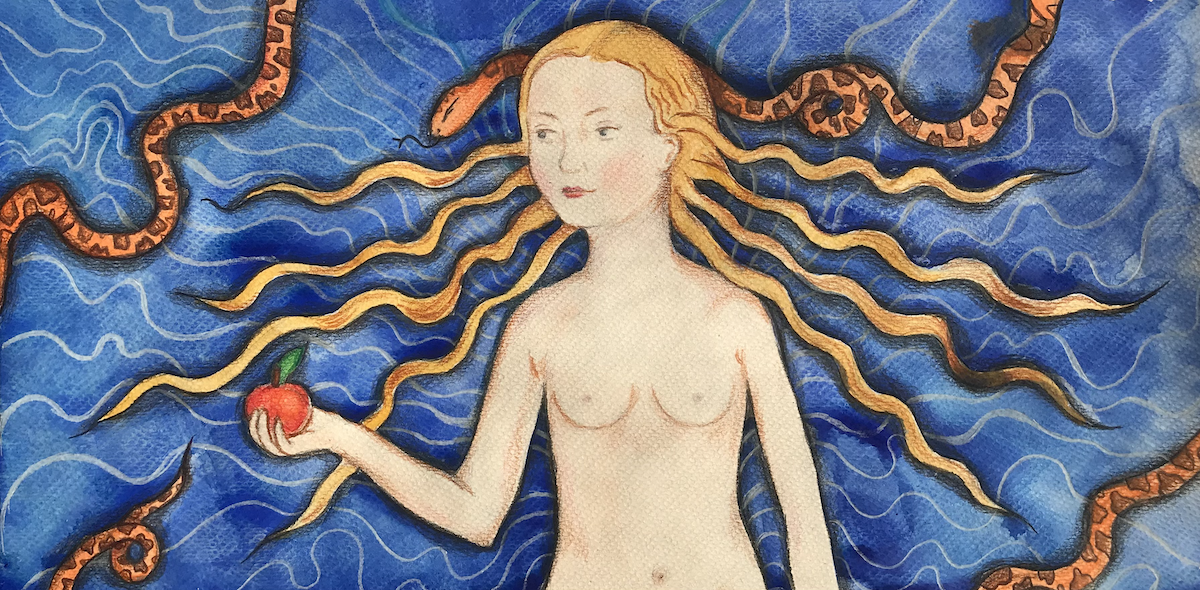
I grew up under stained-glass windows, learnt their blues and pomegranate-reds before my mouth figured out how to form words – I was never good with names, but the faces stuck. One stood looking over the pew our family always sat in, Eve and Adam, her hair the same russet-gold as the apple she hel
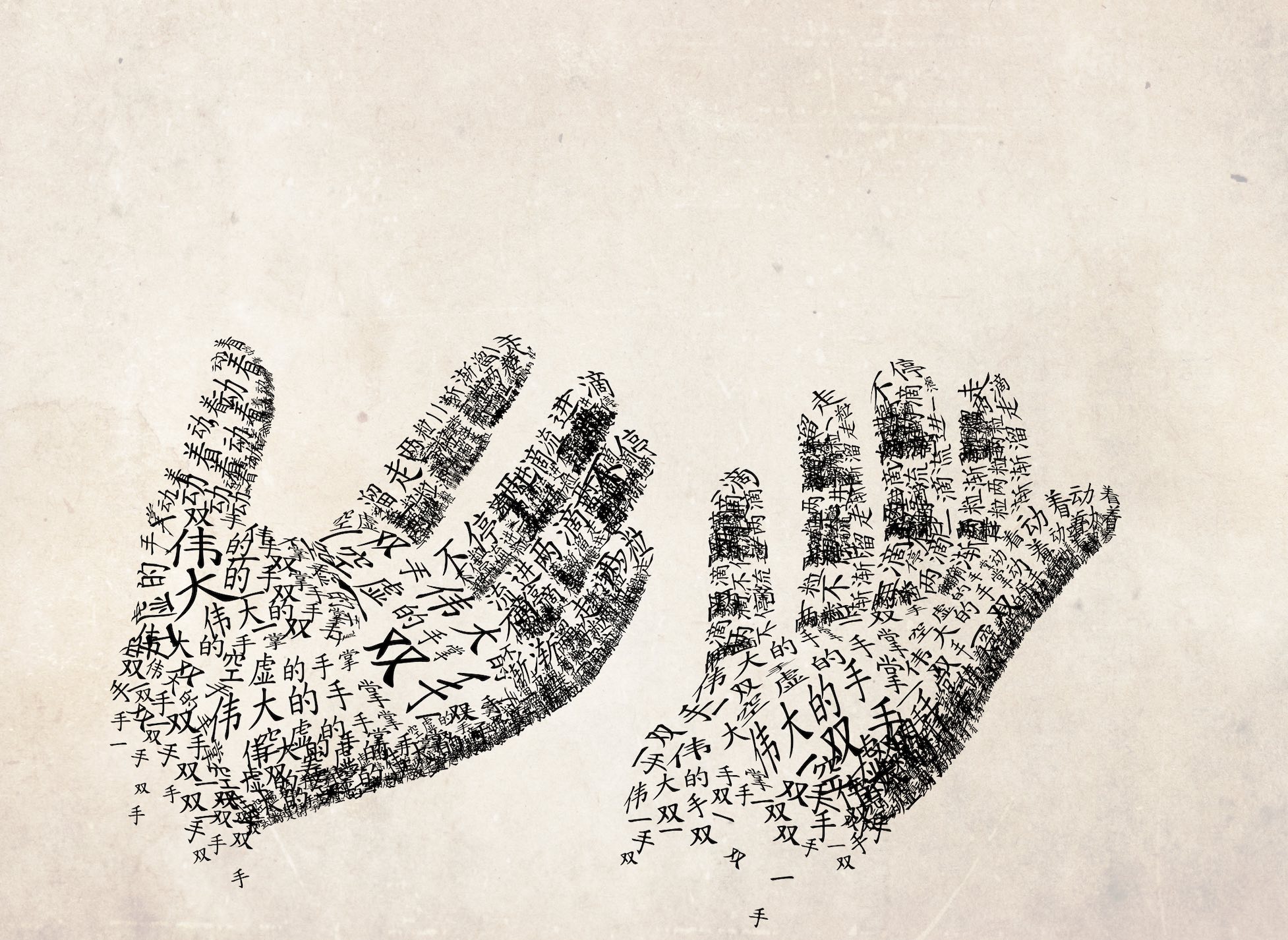
My grandmother’s hands
In a fading photograph, they sit一双手Newly-wed still. They pause,hovering in a chant of numbers wavering into silence, and words slipout of reach 一粒, 两粒, 渐渐溜走like grains of rice through parted fingersuntil cupped hands left almost barrenwait only to receive a voice: it
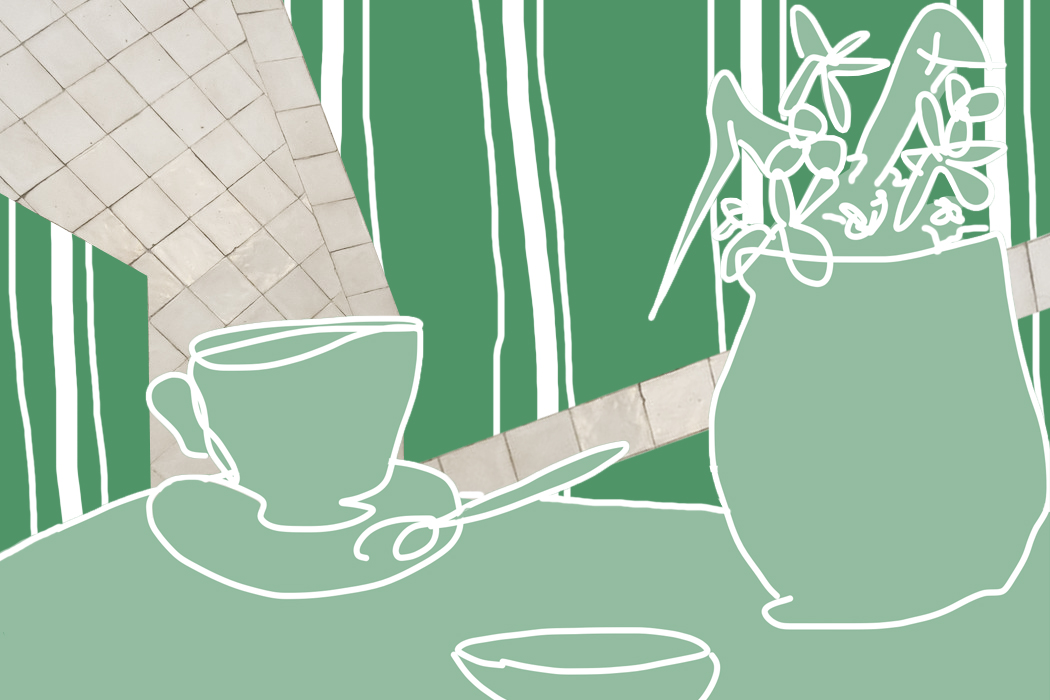
At Breakfast
The kitchen tiles are finding their corners in the half-light. In the small flat on the top floor of the house, two women sit at the breakfast table. They’re nurses in the early months of 1933. Two empty porridge bowls have been pushed aside. Two half-drunk cups of tea stand between them on the ta
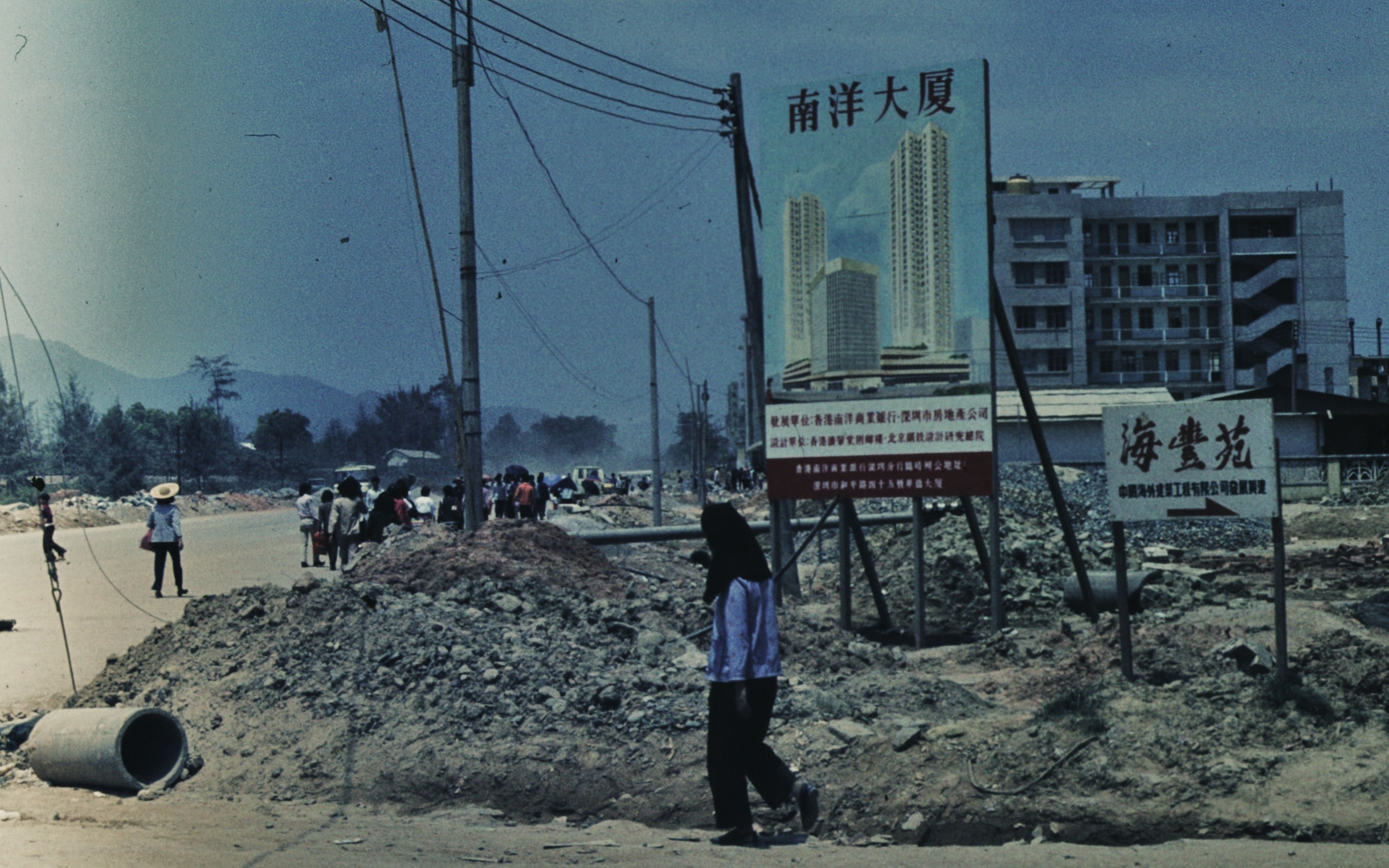
China’s Third Way
Shenzhen, the fourth largest city on the Chinese mainland, and one of the largest cities in the world, is contemporary China at its most bizarre and contradictory. Straddling the border with Hong Kong, and part of the broader geographic and economic region known as the Pearl River Delta, Shenzhen is
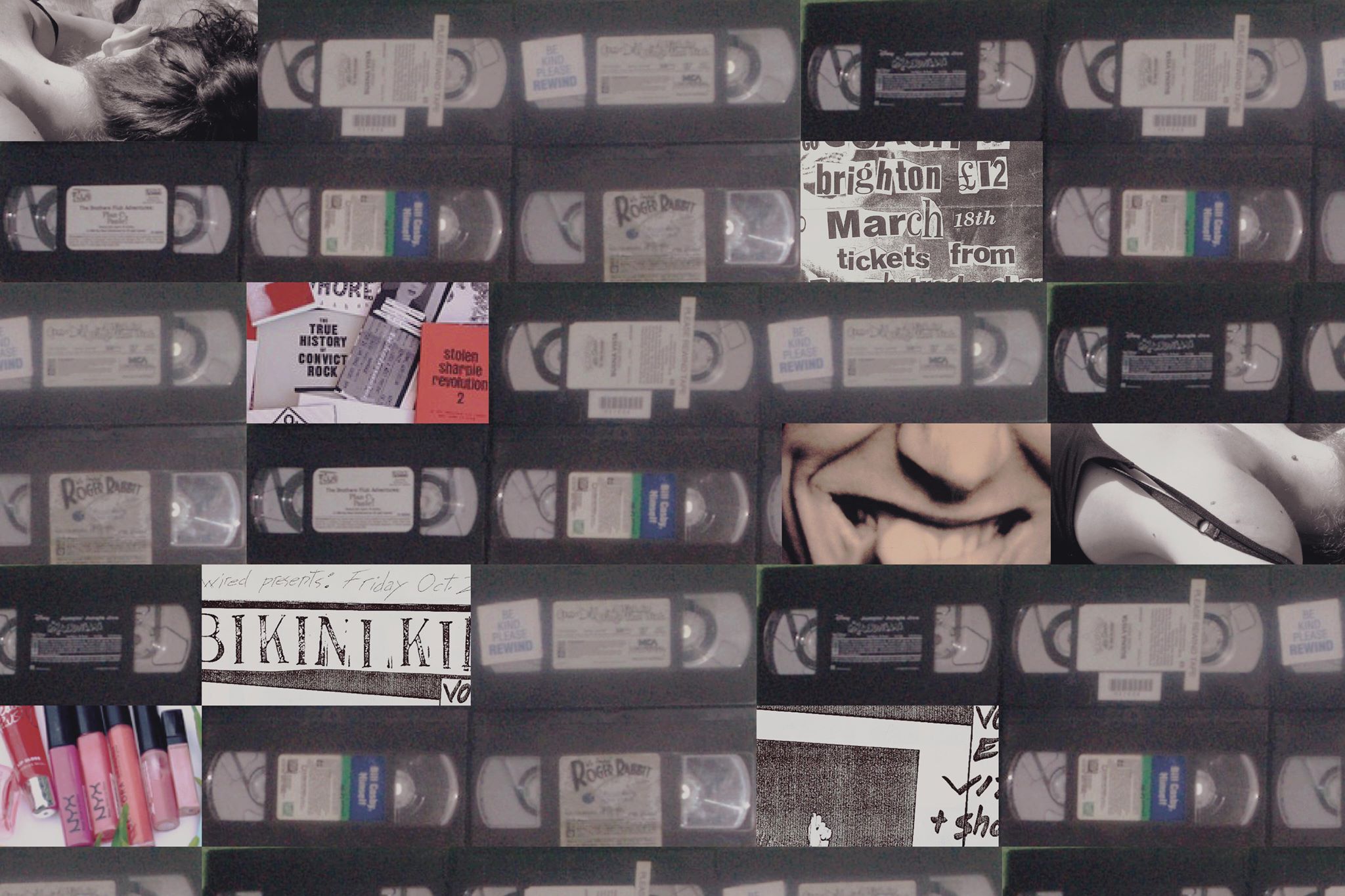
Reconciling URL and IRL Feminism
I first became acquainted with Miranda July through her fiction. My friend, Scarlet, recommended her critically acclaimed novel, The First Bad Man, which I have since lent to my mother, boyfriend, and best friend. July’s novel is a story of humorous eroticism, habitual patterns, and the search for
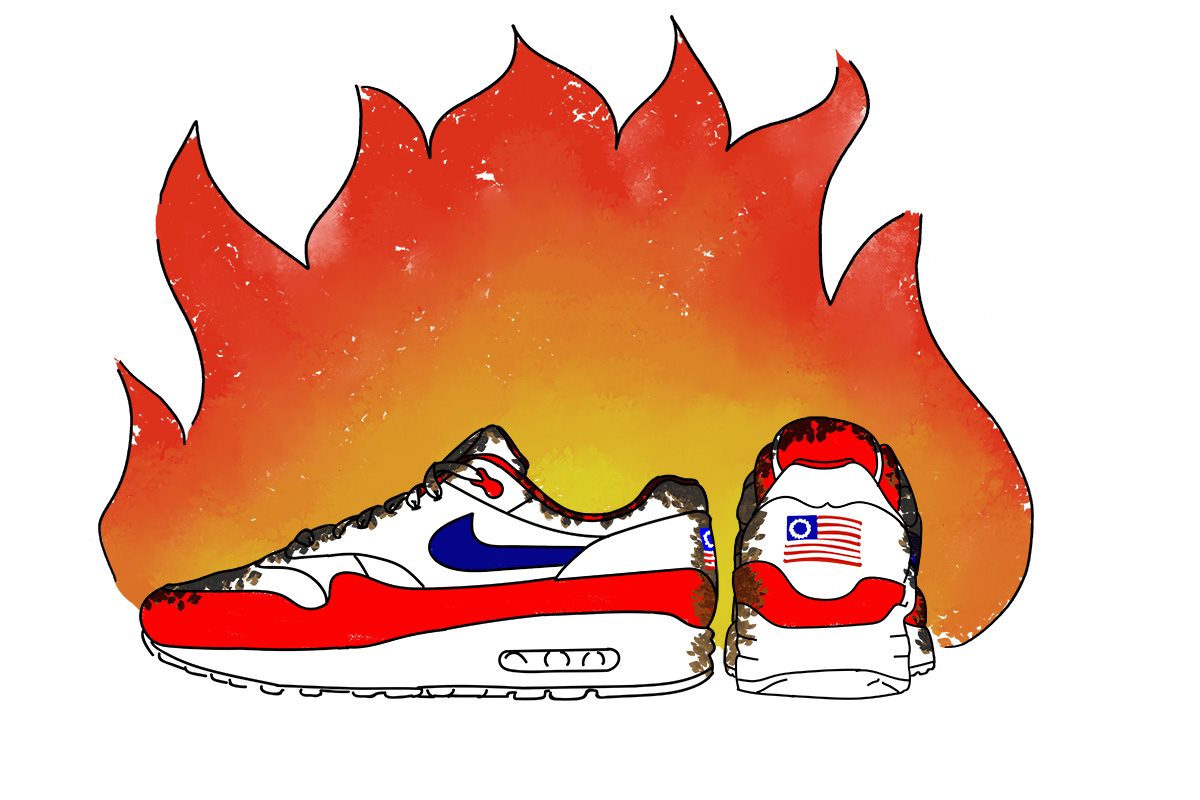
‘Independence’ Day
“What, to the American slave, is your Fourth of July? I answer: a day that reveals to him, more than all other days of the year, the gross injustice and cruelty to which he is a constant victim. To him, your celebration is a sham; your boasted liberty, an unholy license; your national greatness, s