


The Spider: Is the internet becoming conscious?
Originally conceived between the 1960s and ’80s as a communications network for the disparate US defence agencies, the internet was later turned into a limited scheme for research institutes to communicate and collaborate with one another. Gradually, the TCP/IP protocol was developed and prolifera

The Alpha Course: Orange squash with Oxford’s evangelists
Got questions about life? #tryalpha #htbchurch “Christianity is cool!” retweets @alphacourse, the twitter account for the evangelistic course which has allegedly ‘saved’ the Church of England. On their Instagram, you can find a stream of attractive men in their early 20s with man-buns and Ca

The ISIS Short Essay Competition: “O tell me the truth about love” (W.H. Auden).
Picture a café on the High Street. A little place that serves coffee, loved by its owners, who bought the shop in 1985 having retired from their high-paid jobs in the city, because it’s what they always wanted to do, really, low income be damned. A couple sits in the corner; students, who met at

Phage: The antibacterial arms race
In 1896, Cambridge graduate Ernest Hankin could be seen furiously paddling a small canoe through the Ganges of India. Under a glaring sun, he measured decay in corpses recently consigned to the holy waters. Hankin describes collecting samples from these bodies: fighting off snapping turtles, plungin

The ISIS Short Essay Competition: ‘Is it rational to fear your own death?’
I am not dying, but I am afraid. My friend is. My dearest, closest friend, who I have spent thousands of hours and exchanged millions of words with: dying, quite quickly, and there is nothing really that anyone can do. I don’t know what afterwards will be like – I can’t imagine, and I don’t

No Man’s Land: Inside Women-Only Spaces
The renovated old vicarage in the small Yorkshire village of Horton-in-Ribblesdale is a perhaps unlikely setting for Britain’s only not-for-profit, cooperatively run holiday centre for women and children. But since 1980 the Women’s Holiday Centre (WHC) has been providing a place for wome
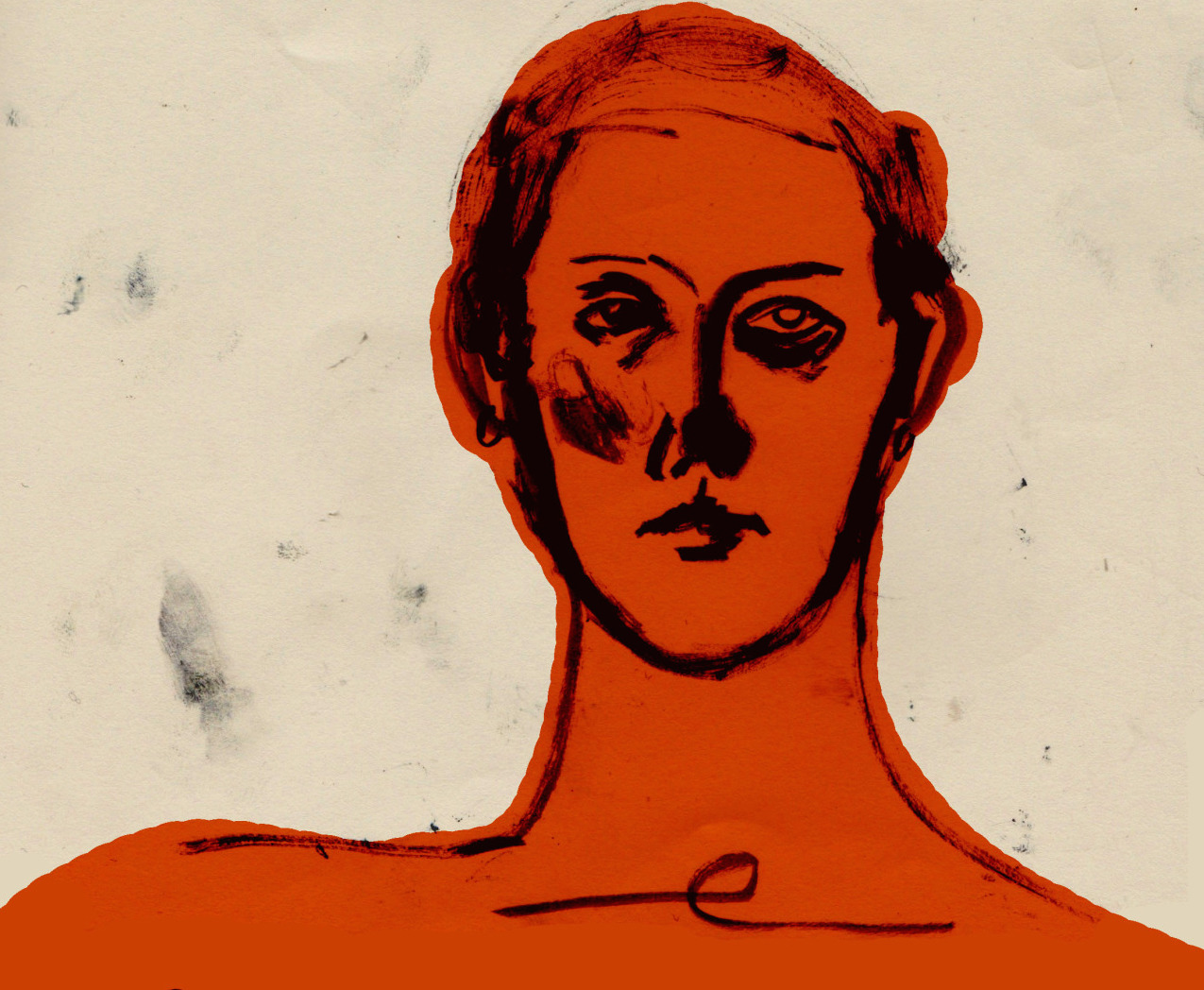
Profiting from Loss: India and the Right to Reproduce
“With all these vigilant vigils on virginity, you would think the country would have controlled its population by now.” ― Mallika Nawal, I’m a Woman & I’m on SALE. With roughly 1.27 billion people, India’s population is the second largest in the world. Projections for growth
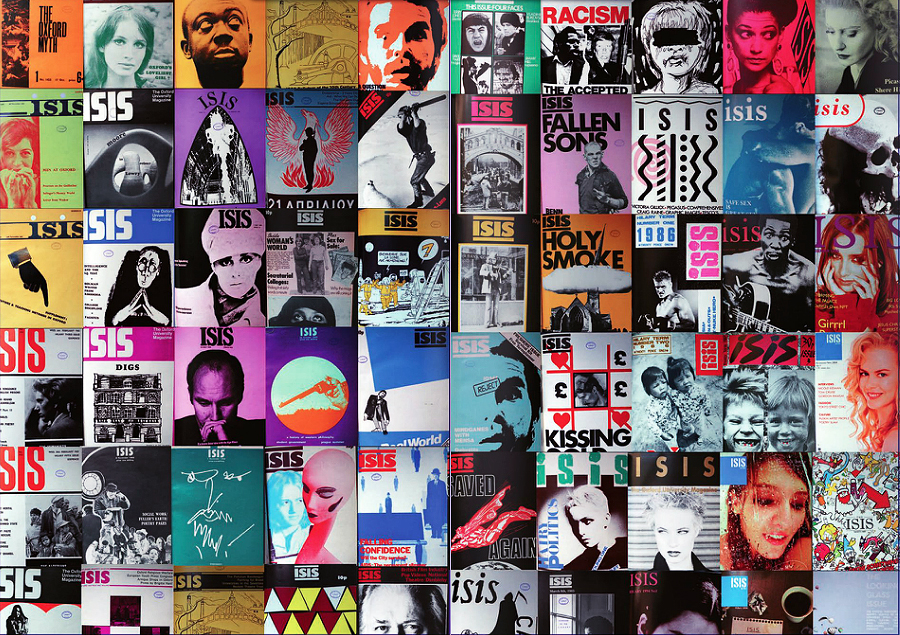
Join The ISIS Team TT15!
Applications are now open to join The ISIS team for Trinity Term! Established at Oxford University in 1892, The ISIS is the UK’s longest-running student magazine. Our ranks have included Evelyn Waugh, Sylvia Plath, Boris Johnson, Graham Greene, Nigella Lawson, George Osborne and Hilaire Beloc. We

Living in the Third Reich: An interview with Ron Gray
Dr Ronald Gray is a Life Fellow of Emmanuel College, Cambridge. He has been there since joining as an undergraduate in the 1930s, and spent 33 years as a lecturer on German literature, history and philosophy. This Christmas, I met with Ron to discuss one particular period of his life. In 1938, Ron s