Pressure Point: From Oxford to the Garvaghy Road
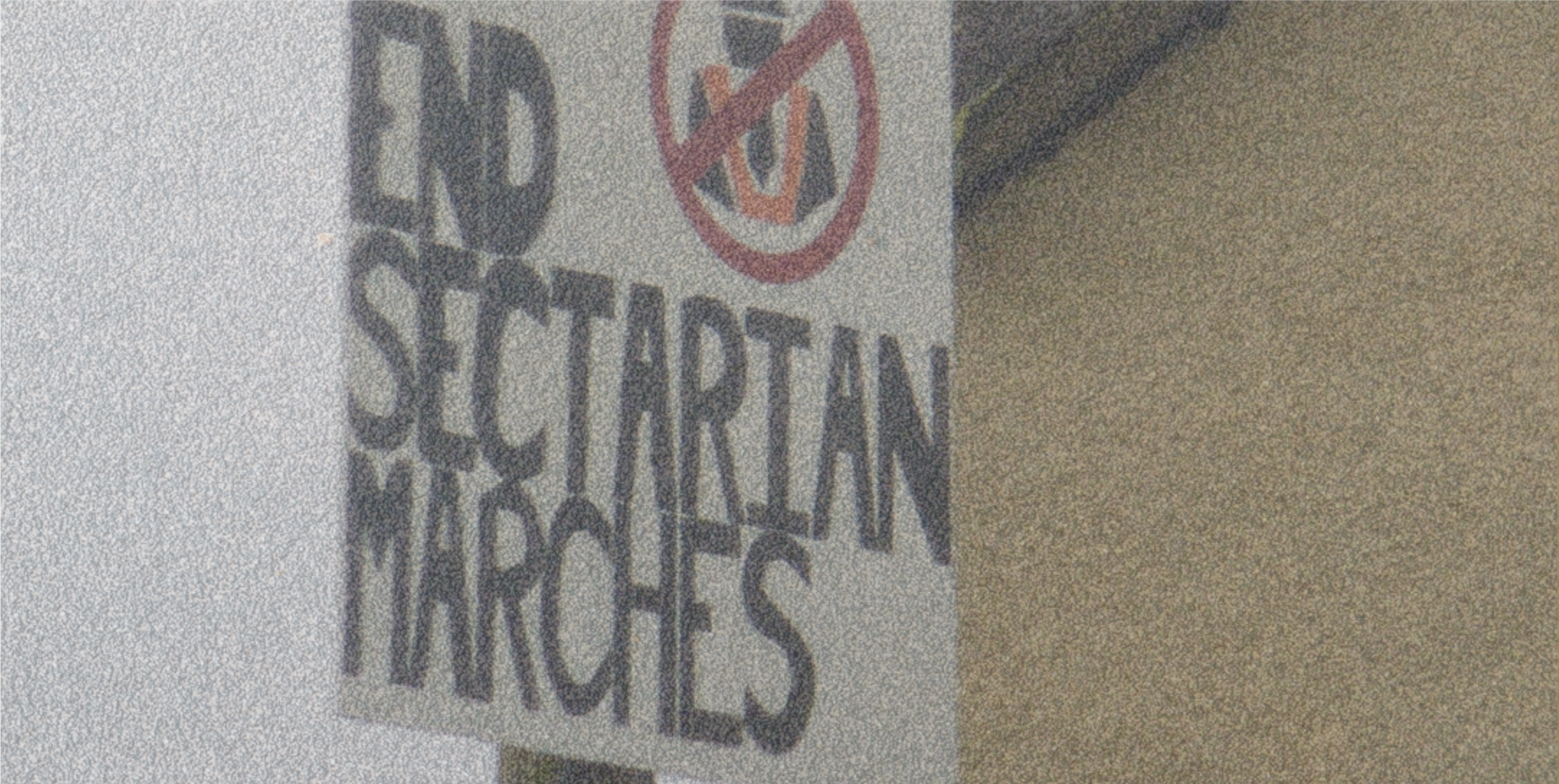
On Friday, October 9th, Secretary of State for Northern Ireland Chris Bryant announced that the Orange Order’s Drumcree parade would be banned. Following the overturning of a 28 year ban on the march, protesters congregated on the predominantly Catholic Garvaghy road to prevent the loyalist march through this deliberately provocative route from proceeding. Years of underlying tension between communities rose to the surface, creating the 13-day standoff leading to Bryant’s eventual intervention.
Briefly resuscitated by news headlines, the prevailing yet neglected sectarian division in Northern Ireland once again demanded the attention of British media outlets and politicians. I don’t doubt that they will now breathe a sigh of relief as they allow the issue once more to fade into obscurity.
When the history of ‘The Troubles’ is addressed in British classrooms—scarcely, if ever—the conflict is caricatured as a religious struggle of Catholic versus Protestant, of republican terror versus British peacekeeping. Centuries of colonial history, civil rights struggles, and ham-fisted interventions by the Westminster government are conspicuously absent. Whilst communities in Northern Ireland remain demarcated by which flags adorn their lampposts, the political nuances of this prevailing divide are brushed over for British comfort.
This wilful ignorance far exceeds the educational system, penetrating deep into Britain’s political sphere. From Wilson’s exacerbation to Thatcher’s callousness, and Boris Johnson’s mishandling of Northern Ireland’s precarious position during Brexit negotiations, successive Prime Ministers failed to demonstrate understanding of, or indeed care for, the profound complexity of the conflict. The politics of Northern Ireland are apparently too difficult and too complicated for our political elites to burden themselves with.
The mishandling of the politics of Northern Ireland is just one consequence of the British establishment’s lack of accountability for its colonial legacy. Whether out of discomfort or apathy, our politicians dislike this distraction from domestic issues. On a local level, I can’t help but feel that this blasé attitude is doubly fostered here in Oxford. When profoundly complex political issues are used as headline-grabbers for an evening of boozy, black tie debate, it is as if the real world impact of these issues is discarded along with voting ballots as we exit the debate chamber. From a comfortable distance, we reduce real suffering to a flurry of buzzwords and pithy jibes, stripped of nuance for our entertainment.
The standoff on Garvaghy Road is already long gone from the news cycle, and I imagine many took no notice of it to begin with. I would propose a moment of reflection on how the British establishment handles such issues, and how Oxford culture perpetuates this clumsiness, but I imagine such an ask would be futile. After all, there are always more important issues to be dealt with, and always new debates to be held.
Words by Aoife Williams.
Art by Georgia Graham.
You may also like
PORTRAITS
Photography by Aaron Hammond Duncan.
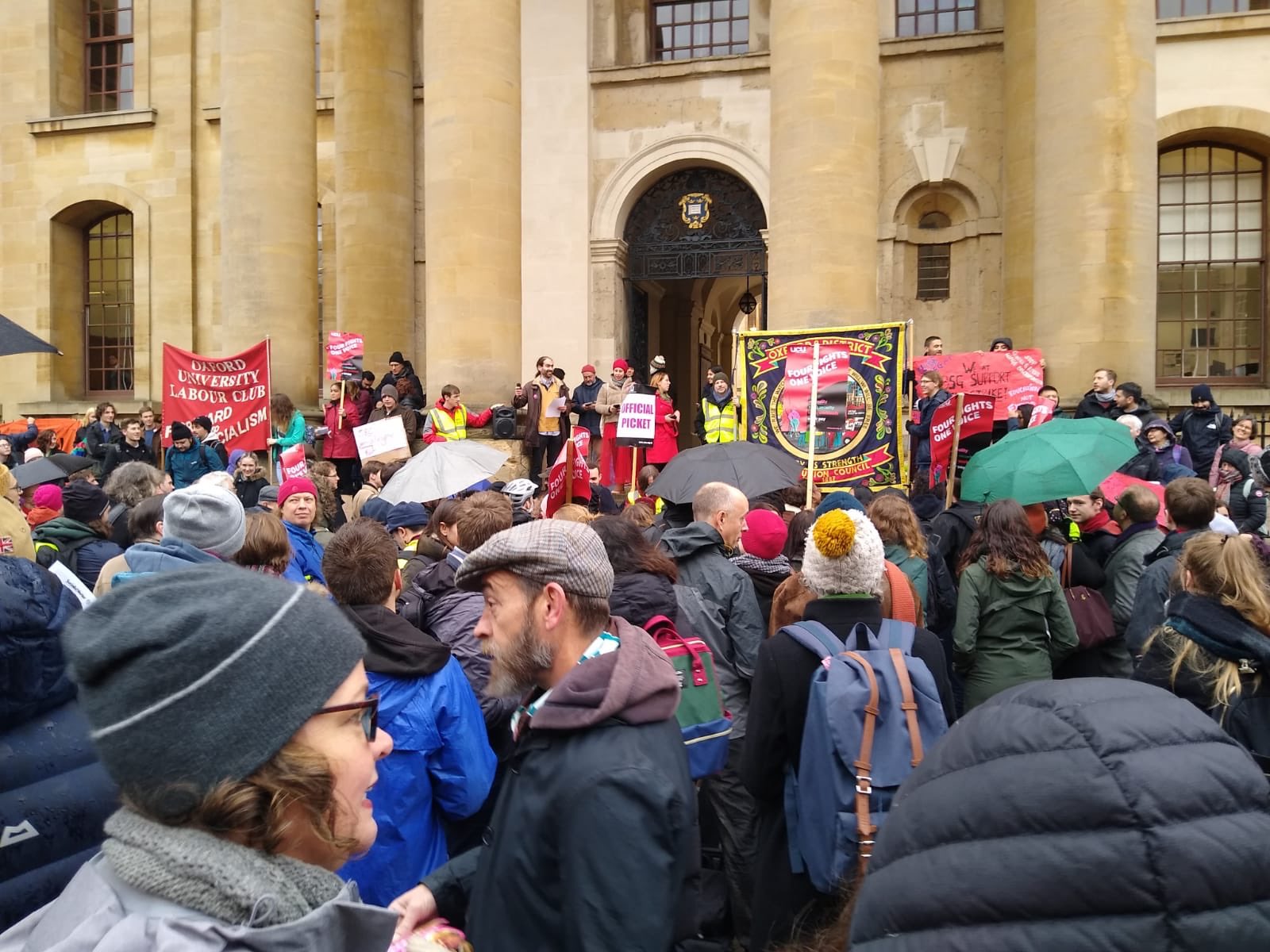
Oxford joins the UCU strikes
Large crowds gather outside the Clarendon building on a cold Broad Street, sporting heavy coats and
‘Stock Till You Drop
There’s something a little carnivalesque about an Oxford college putting on a music festival.