

The Meaning of Arts Cuts
I am waiting to go onstage during my secondary school’s adaptation of The Canterbury Tales, wearing a shop-bought fancy dress costume that is meant to transform me into Geoffrey Chaucer. Other schools are putting on Hairspray and West Side Story. In whispers and gasps, news flits around the backst
Visible and Invisible History in Budapest
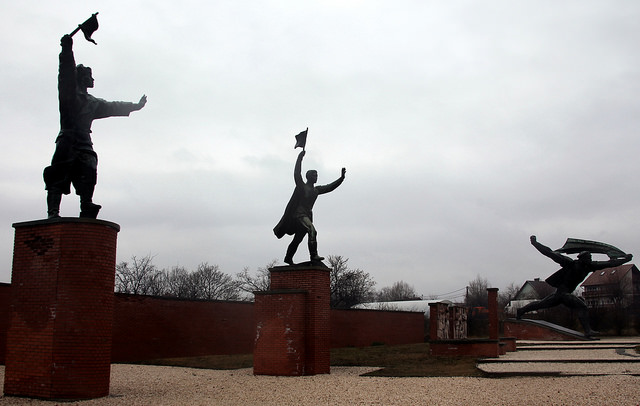
A muscular arm, outstretched; a clenched fist trailing a ragged flag into an arc over head and shoulders. A friend’s comment that the statue is not “artful” (whatever that means) is disputed by an onlooker, possibly one of the ‘communist nostalgia tourists’. My guidebook comments: “It is
Against movies
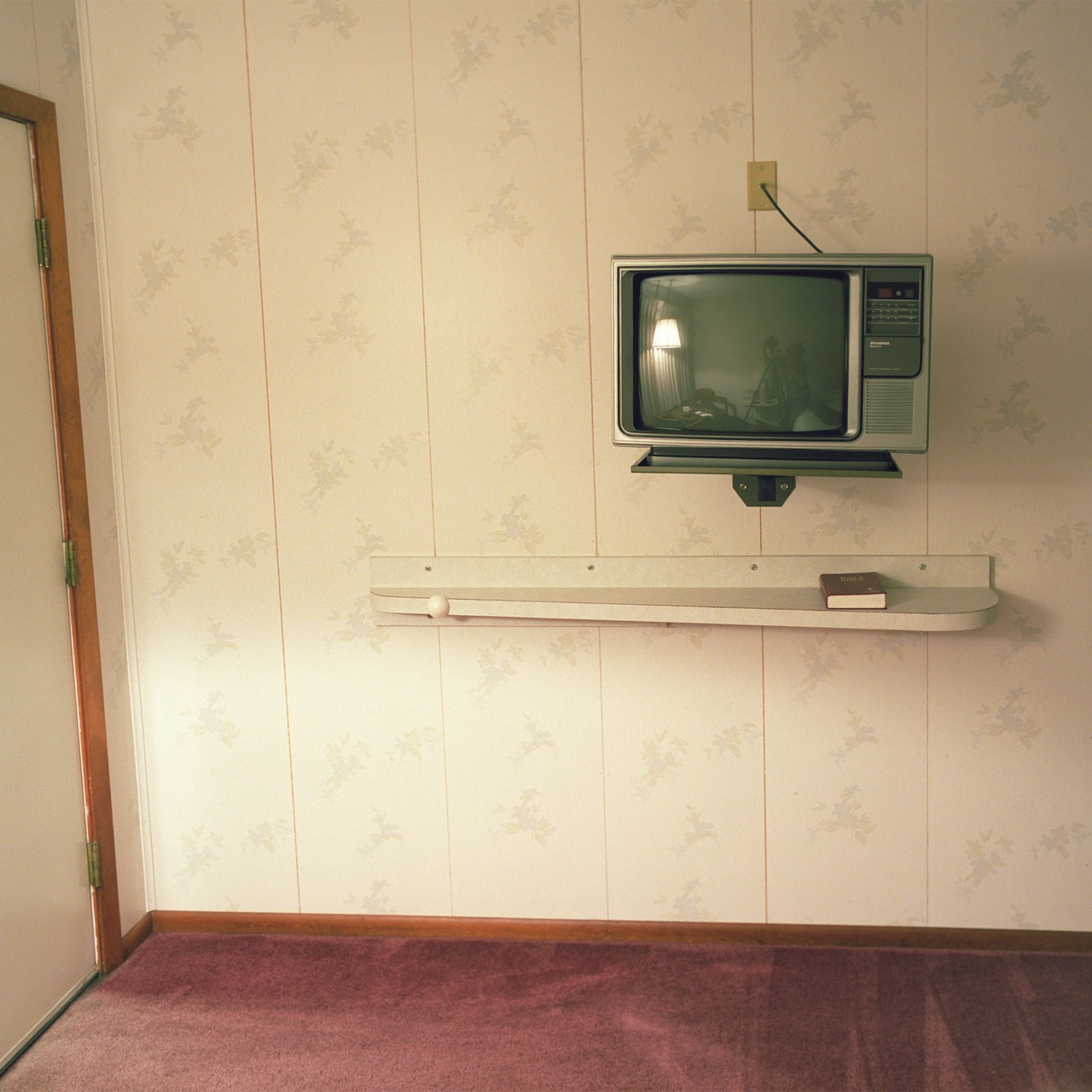
There is a growing unwillingness to acknowledge voyeurism as a common denominator shared by all forms of visual entertainment.
Nombrilisme: Thoughts on the Belly-Button
‘Nombrilisme’ (masculine noun, French): an attitude of self-absorption, when a person believes that everything revolves around or relates back to them ‘Se prendre pour le nombril du monde’: to consider oneself as the centre of the world. In his short story The Apologizer, Milan Kundera’s p

Feeling Blue
Feeling Blue is an upcoming six-part sitcom and profound social commentary on depression and masculinity in the twenty-first century.
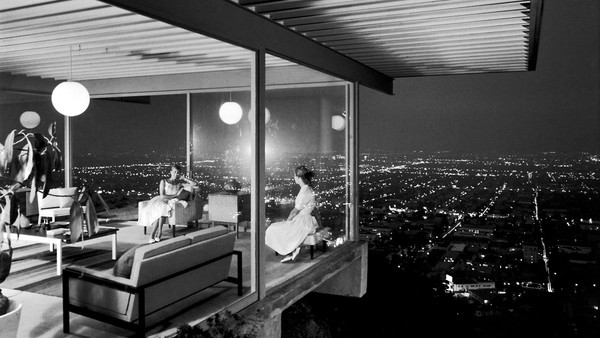
Glass Ceilings
The masses of LA are not living in Stahl Houses today because the Stahl House was never replicated.

“The British will go down in history for being the absolute assholes of the world” – Lawrence Weiner
MORE SALTPETER THAN BLACK POWDER / ENOUGH BLACK POWDER TO MAKE IT EXPLODE.
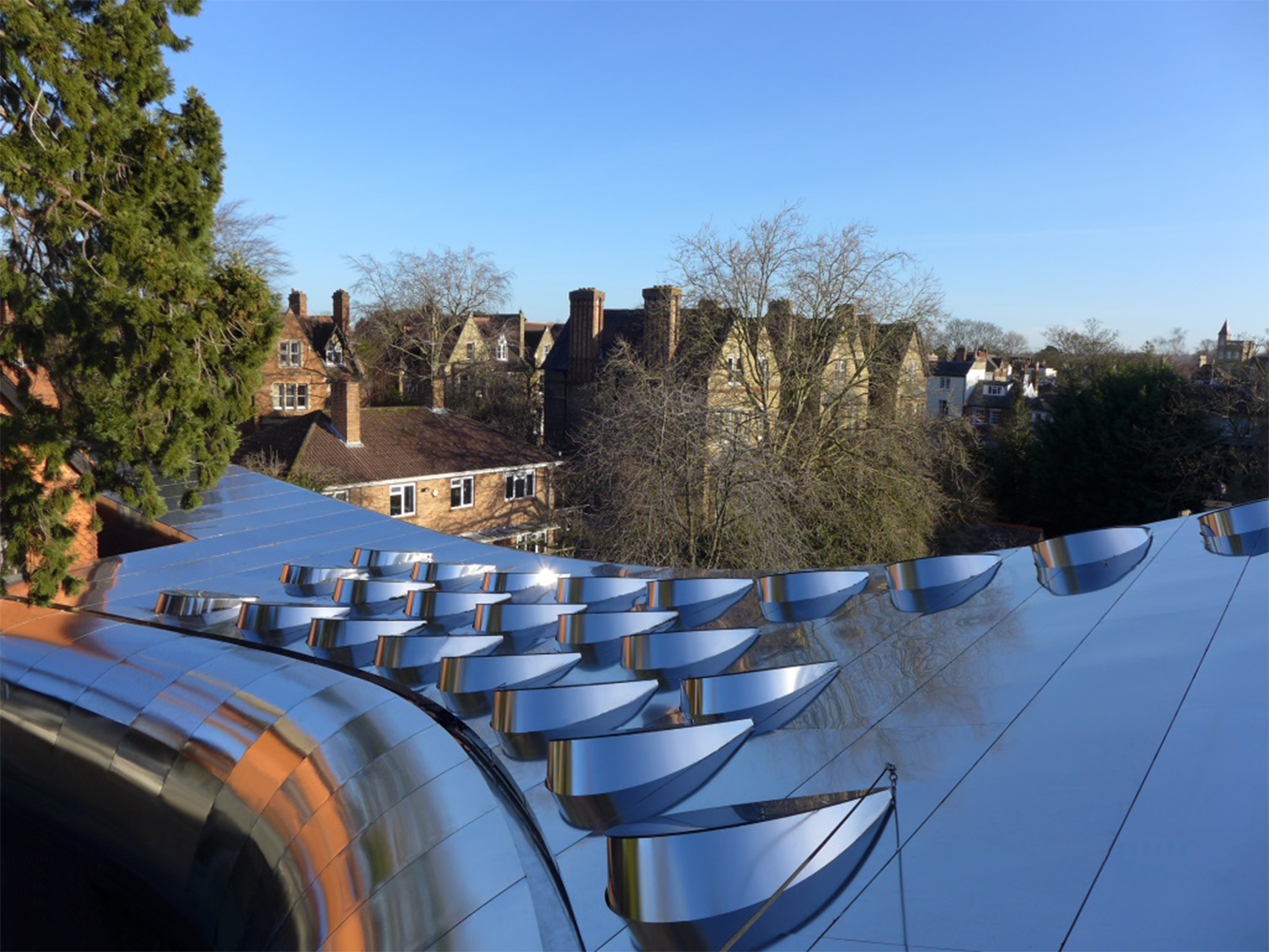
Zaha Hadid: “Life is not made in a grid.”
Dame Zaha Hadid is one of the most famous architects currently practising in the world. She was the first female recipient of the Pritzker Prize, which is commonly referred to as the ‘Nobel prize of architecture.’ Her Middle East Centre is due to open at St. Antony’s College on Tuesday 26th Ma
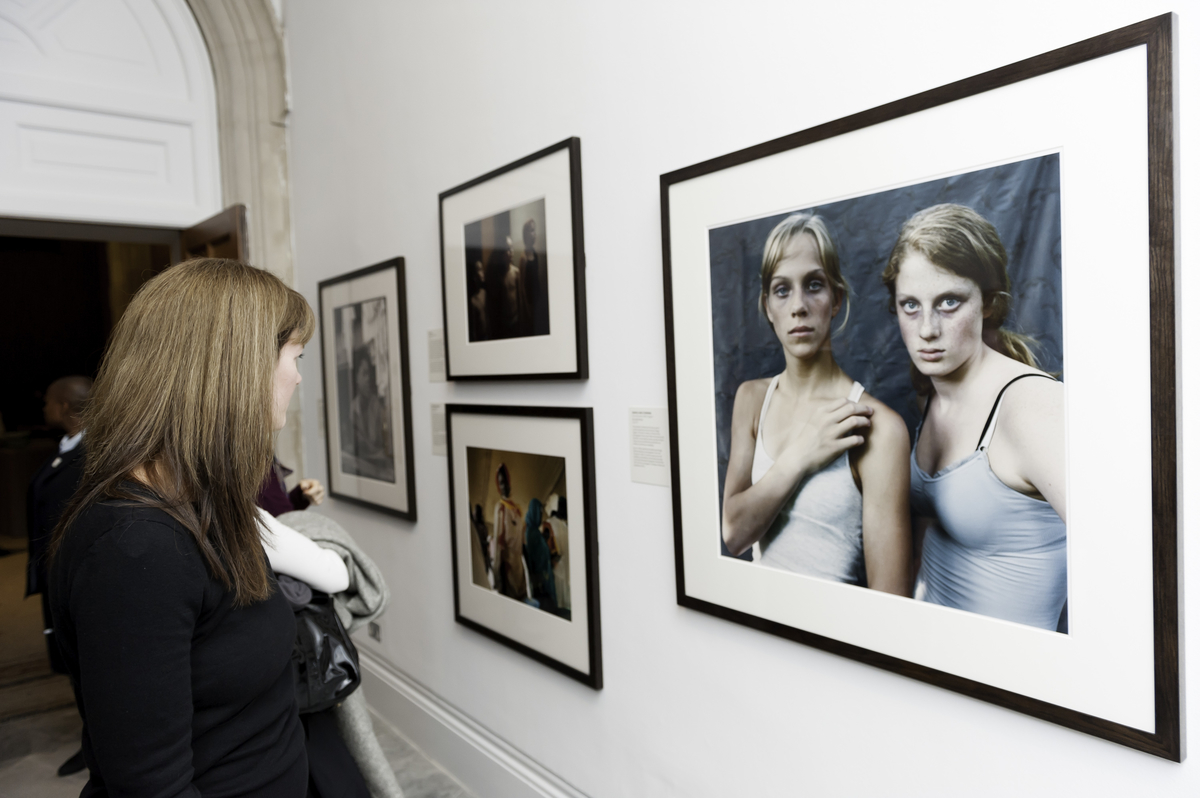
Representation or Tokenism? People of Colour in the UK Arts scene
Amidst the gloom of a typical rainy afternoon in London, a black woman dressed in gaudy yellow, her hair in a stylised afro, smiles into the distance. The woman isn’t actually a woman but a photo of one, printed on an advertisement for the Taylor Wessing Photographic Portrait Prize exhibiti