

“What Spring?”: Conversations in a Jordanian public hospital
A dreary winter fog envelopes Jordan’s capital, Amman, throughout December, though slivers of sunlight shed light on the city’s worn and damaged roads. The strain of unrest in the region is discernible to any visitor: heavy traffic, once an enemy to be conquered by Jordanians through strategic t
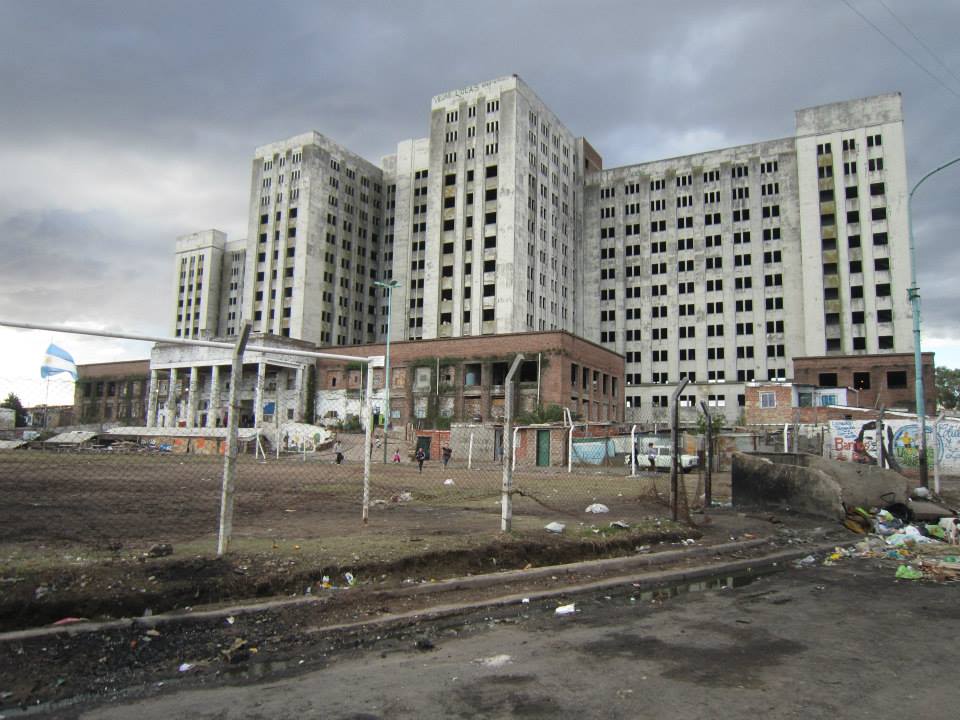
The White Elephant in the Room: Argentina’s “Hidden City”
For most, the Argentine Spanish word for slum, ‘villa‘, evokes images of white roofs and white sand. The reality is a labyrinthine network of passageways, carpeted by potholes and framed by drooping electrical wires. There are more dogs than adults and more children than dogs. Men peer
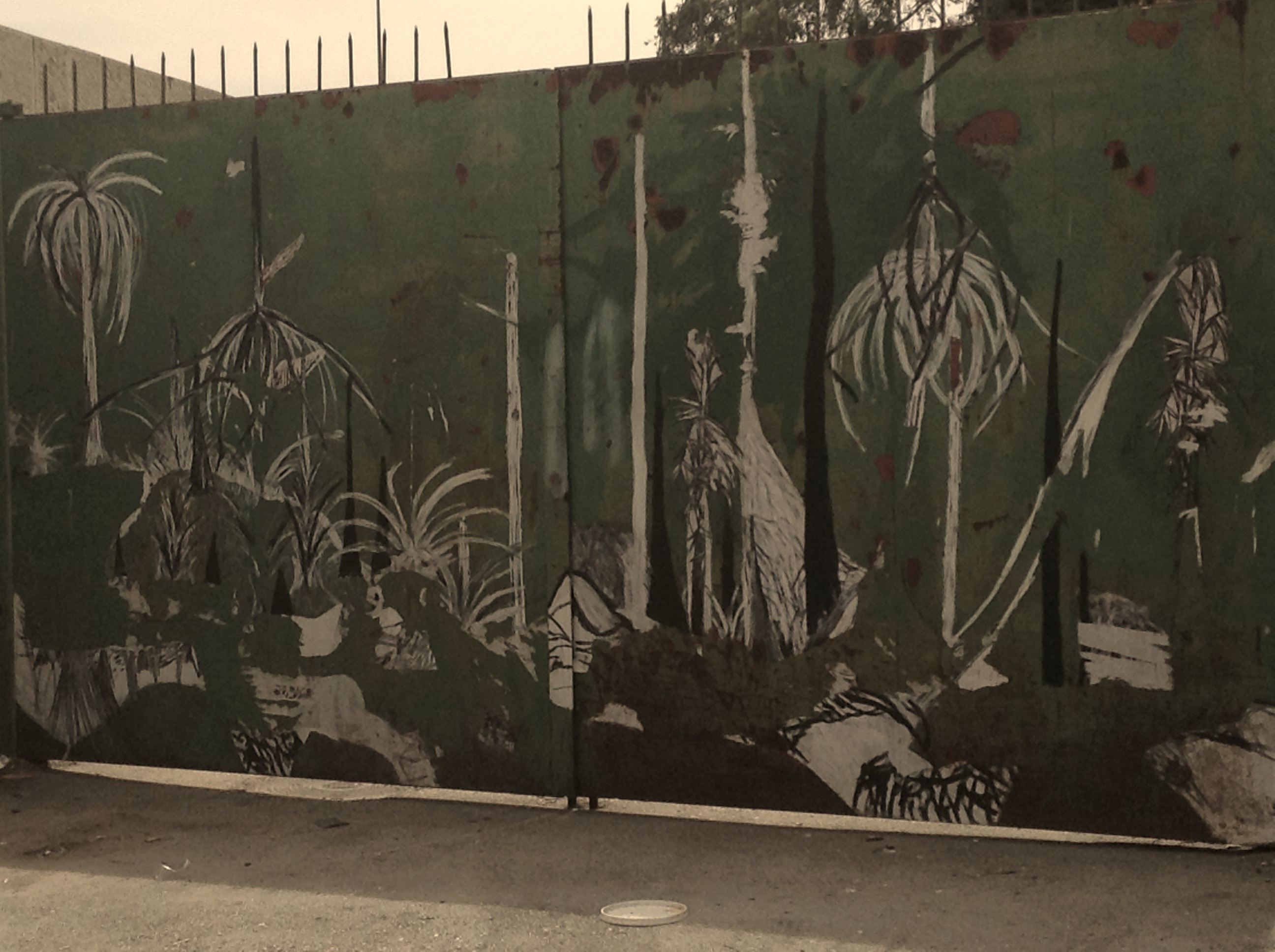
Art on the Seam: Jerusalem’s street art movement
“Art has a very significant role in changing the reality in Israel. We need a much more creative atmosphere to find a creative solution for the problems here”. Matan Israeli, a 35-year-old Jerusalemite is the founder and artistic director of the Muslala project, which was set up in Jerusalem, in
The (Under)Use of Scent in Theatre
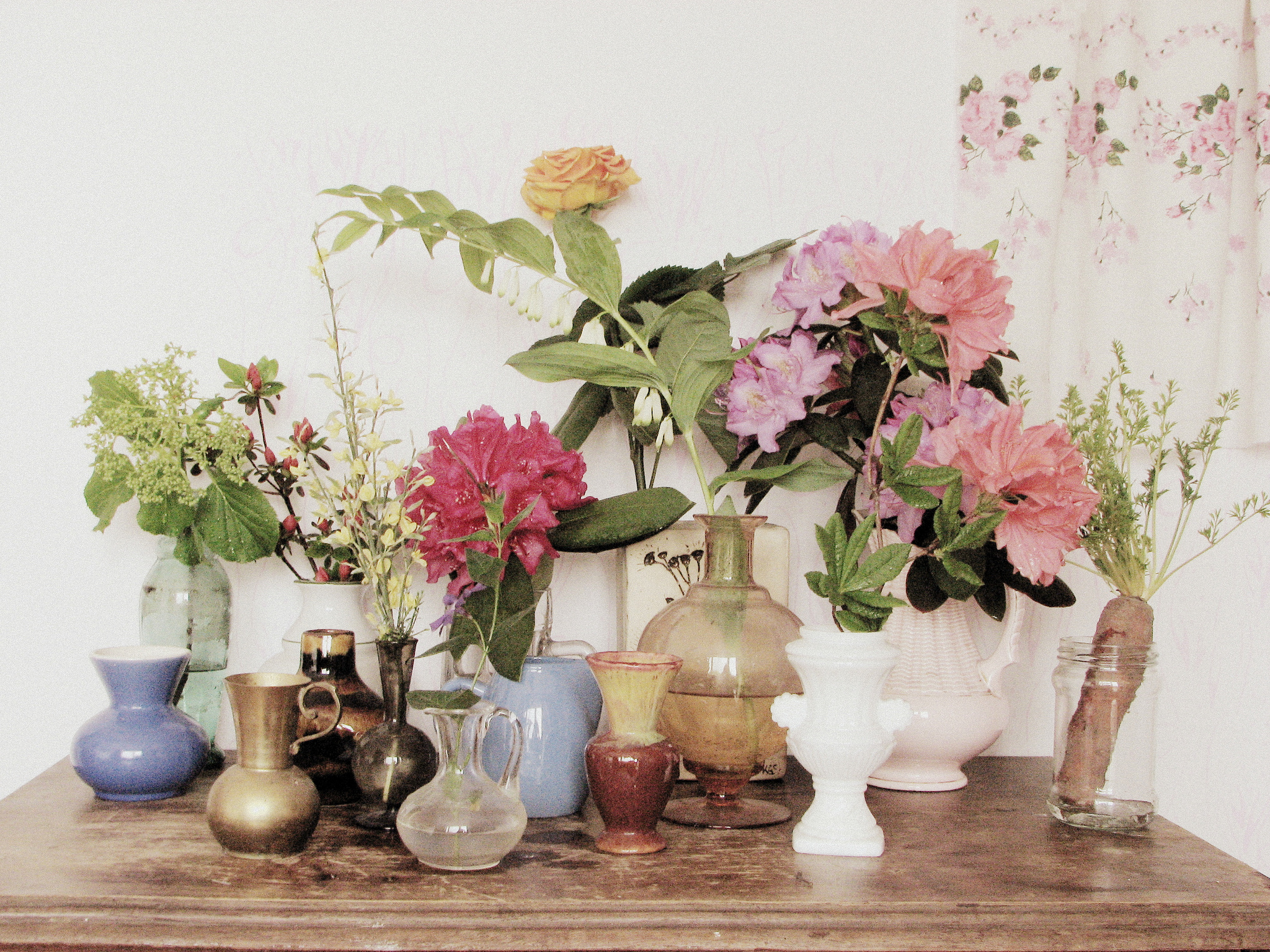
Seeing The Woman in Black in theatre is par for the course for anyone studying GCSE or A-level drama, but it wasn’t just my wimpish nature that made me so terrified the first time I saw it. There’s something affecting about being in the same room as the actors, however far removed, especially if
People power in people towers: Castells in Tarragona
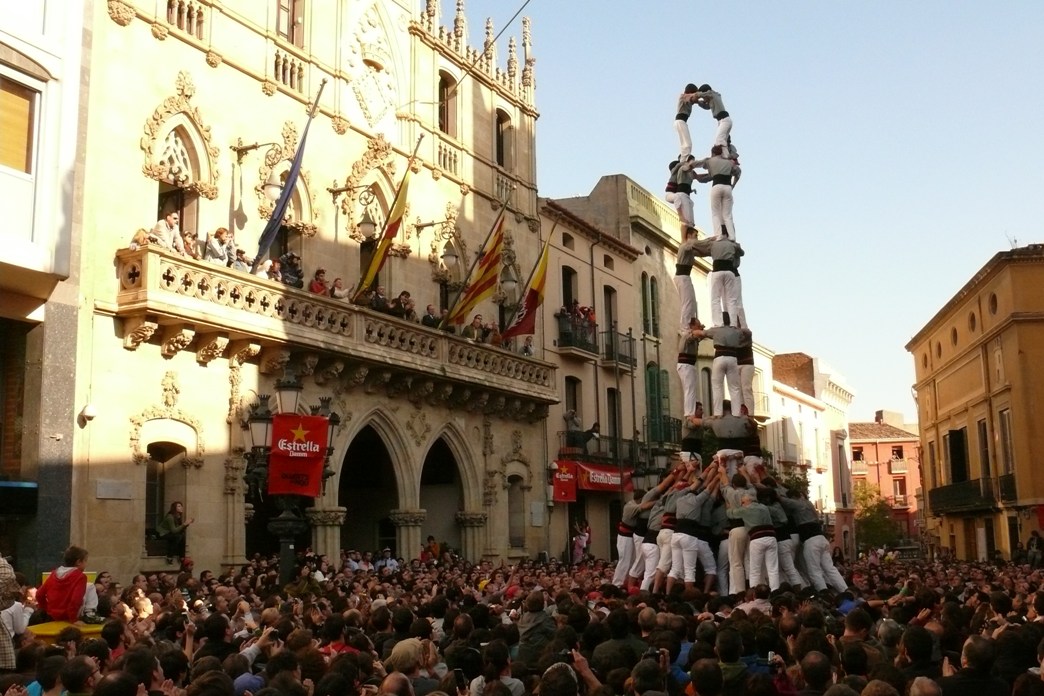
Castell: n. (“Cah-stay”) A tower made of people When the music starts, there’s no going down. Standing in a packed stadium filled with cigarette smoke, you watch as the seconds, thirds and fourths amunt, mounting to the refrain of the reed pipes, and the drumbeat which marks the progress
Never Look Back: Free jazz and why it matters
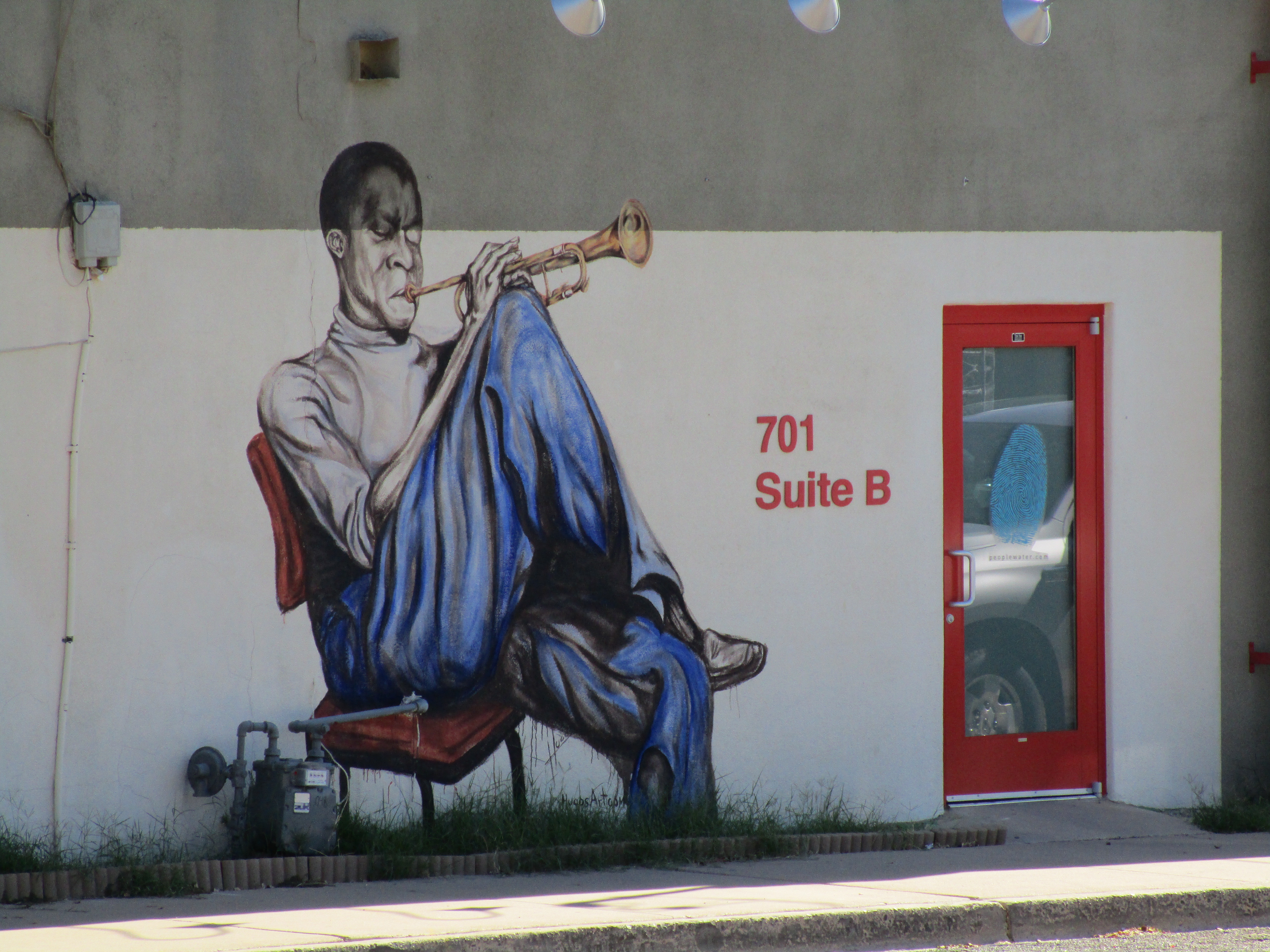
One evening in Vienna, I was part of a thin, bewildered crowd, listening to the Peter Evans Quintet. The shrill whirrs of a laptop synthesiser jarred with Evans’ buzzing trumpet, the double bass and the drums had very little to do with each other, and the keyboard hopelessly attempted to punctua
The rune singer: an ancient art revived
On the rim of the Arctic Circle, in a timber house half-buried by snow, Jussi Huovinen sits before a small fire, an arthritic finger poised to pluck a wooden kantele. Dust dances off its steel strings as snowflakes fall against the windowpane. The smell of boiling lamb warms the room. Three hundred