

Pressure Point: It’s Not Just Powerful Men
Sexual predators are not some evil, mysterious other. They are not always lurking in the shadows plotting unspeakable acts, nor do they act only on some dark master plan. Their crimes don’t belong exclusively to dark alleyways at night—they happen in the workplace, in schools, in family homes. Predators commit unspeakable acts, but they often lead perfectly normal lives. Monsters don’t rape people—men do.
We are currently living through a rare moment where acts of sexual violence committed by powerful men are under intense scrutiny. The high-profile conviction of Russell Brand on one count of rape and three counts of sexual assault drew reactions of apparent shock, horror and disgust from those in the entertainment industry—the same people who delighted in awarding him The Sun’s “Shagger of the Year” three years in a row and took no issue with the frequent derogatory remarks against women in his standup comedy. Mere days after Brand’s conviction, allegations against David Walliams of sexual misconduct towards young women (and, in some cases, girls as young as fifteen) surfaced. Again, those who spent years schmoozing with Walliams, revelling in the hilarity of laddish sexual debauchery while looking the other way when it went too far, are suddenly appalled. Brand and Walliams’ former pals assume a nauseating faux outrage, desperate to establish distance between themselves and these awful perpetrators. But this distance is much shorter than the supposedly innocent bystanders would have us believe.
The culture which enabled Brand and Walliams to get away with their behavior did not develop organically; it was, and continues to be, a result of the systematic exclusion of women from the public sphere. Rather than aiming to protect women, the entertainment industry continually chooses to empower those who hurt them. Notably, television shows booking David Walliams in recent years allegedly received instructions not to allow young girls into his dressing room. Those in positions in power chose not to hold perpetrators like Brand or Walliams accountable, opting instead to create a safe space for abusers by shutting women out. For years, the danger predatory male celebrities like Brand and Walliams posed to women was widely regarded as an open secret, and yet nothing was done. Women’s safety came second to the profit the industry could extract from Brand and Walliams’ name recognition. The silencing of one victim speaks to the complicity of a handful of lawyers, producers and executives; but the silencing of many requires a culture of complicity.
I worry, however, that our abhorrence towards these predators and to the particular systems which enable them puts us in danger of treating their behaviour as an aberration, a flaw confined to the brutality of the entertainment industry, rather than a symptom of patriarchy’s enduring subordination and abuse of women. The formal structures which silence victims cannot be separated from the informal culture of misogyny that remains so pervasive today, nor can the physical sexual violence perpetrated by these abusers be separated from the epistemic violence of our culture which disregards, mocks, and shuns their victims. As imperative as it is to address how positions of power are weaponised against victims, I find myself growing increasingly frustrated at how our collective reaction to these horrific revelations is so uncritical of ourselves and our own complicity in rape culture. It is easy to condemn the actions of a high-profile abuser whose reputation has been ruined. What is difficult, and what makes so much more material difference, is challenging the smaller, subtler acts of misogyny we encounter daily.
We’d all like to imagine that we don’t know anyone who could be capable of sexual assault. But we’ve all got a mate who might make a crude comment about a woman’s breasts after a few drinks—tactless enough to be uncomfortable, but not so egregious as to necessitate making a scene. We’ve all heard sex described with violent language and female genitalia referred to with derogatory euphemism, and probably thought little of it. It is these behaviours that create a culture in which people feel comfortable committing acts of sexual violence. Predators do not become what they are overnight; they are the product of societal failures to challenge the many manifestations of rape culture in everyday life.
In cases of sexual assault, there are no perfect victims. Survivors are often questioned as to why they didn’t do more to stop their assault, or told that something about their behavior (perhaps what they wore or how much they drank) led to it. These tropes, known as ‘rape myths’, were deployed by Brand’s attorney, Ian Winter KC, who questioned in his closing argument why Brand’s victims did not fight back. Rape myths blame victims for suffering harm that, in reality, is so embedded in patriarchy that no woman can ever truly protect herself. The jury’s guilty verdict, however, is a hopeful sign that as a society, we are finally beginning to challenge the rape myths that have silenced survivors for so long.
It is just as important, though, to recognise that there are no perfect villains. Perpetrators of sexual violence are not always sleazy, powerful men who flaunt their sexual prowess; they can be perfectly ordinary individuals who seem as if they would never do such a thing. For anything to change, we must imagine that sexual violence could be perpetrated by anyone, against us or against someone we know. It is only in recognising that the problem exists all around us that we are empowered to act against it.
Words by Aoife Williams.
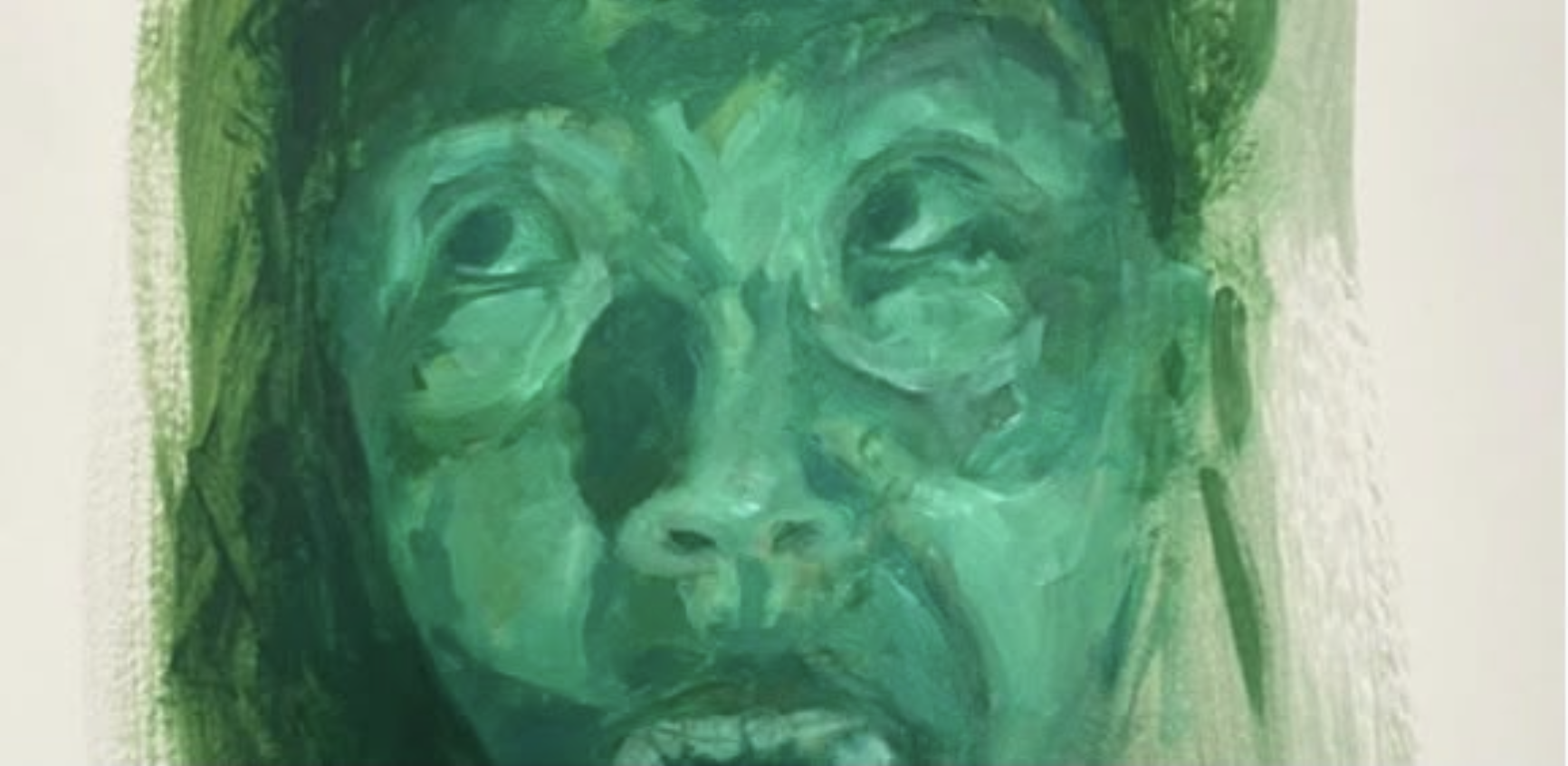
Art by Angelina Wu.
You may also like
Whatever Happened to Baby Twin Peaks?
There are few shows on television that get to join the cult classics club. Some are comedy trailblaz

Body of Evidence
She had a tape recording. In it, his voice was muffled, slurred from a night of heavy drinking, and

how men spend lifetimes
How men spent lifetimes building hotels and never saw them finished. To lie by the pool on an oppres