Delete Your Stan Account
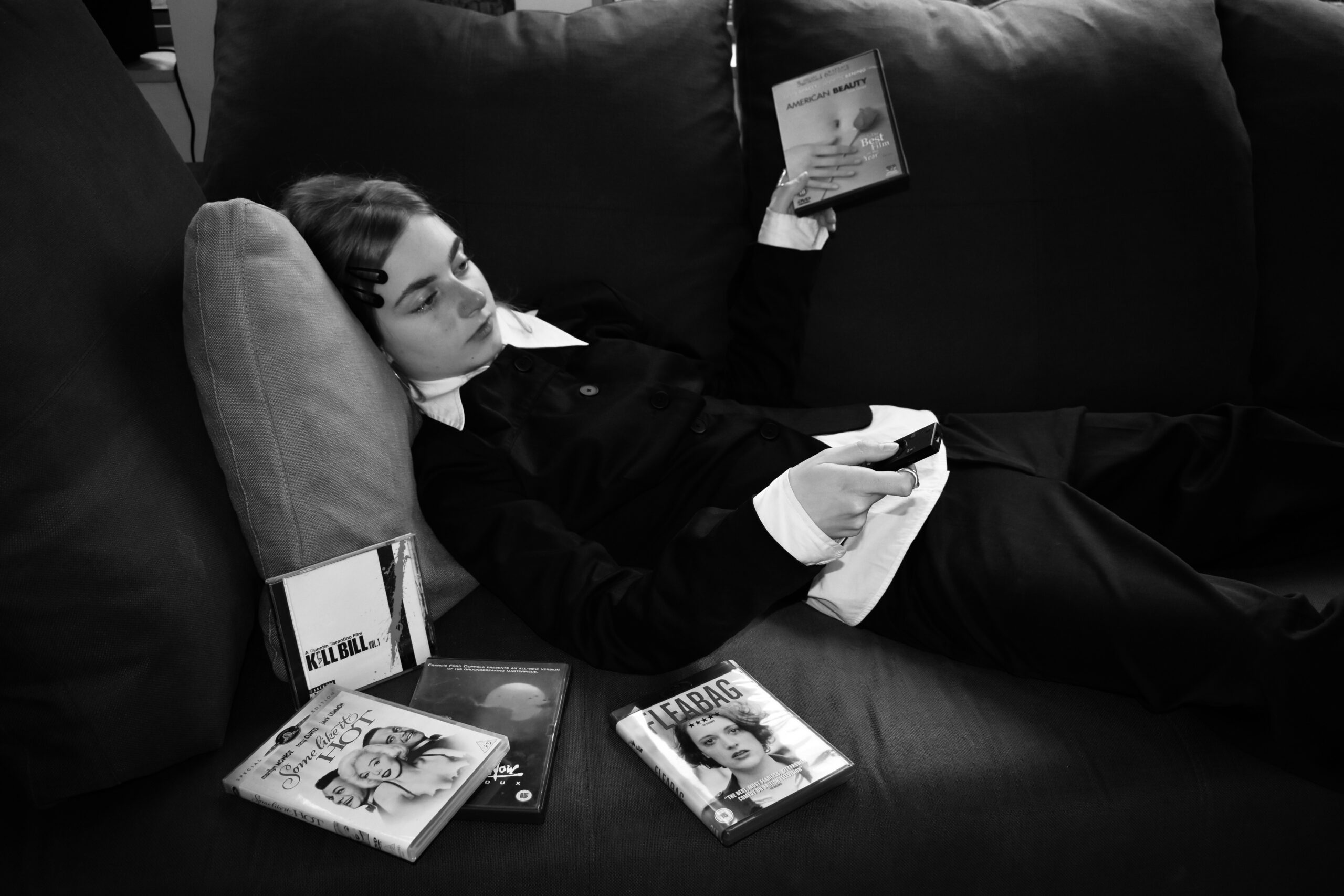
For as long as pop artists have been enhanced by eye-catching aesthetics and memorable personas, in online ‘stan’ communities, discourse surrounding popular music is becoming increasingly akin to choosing a political party, or a side in a war.
The term “stan” originated with Eminem’s song of the same name, which depicted an obsessive fan whose devotion spirals into violence. Two decades later, the word serves as shorthand for just about any dedicated fan community, an interesting evolution as it has seemingly become less rare to find packs of “stans” in place of the regular fan, even if the meaning of “stan” is diluted from its original. Two decades later, “stan” has been diluted into shorthand for almost any dedicated fanbase, but its online pervasiveness suggests the troubling normalisation of a once-extreme level of devotion, even if the term has lost its original meaning, its widespread use is still indicative of the behaviour it once described. Stan Twitter takes the simple act of listening to music as reason for fandom warfare- there is no such thing as a casual listener- you must prove your steadfast loyalty to even call yourself a fan. You must like all the same songs and hate all the same artists as your assigned stan Twitter faction. Your hot takes must be lukewarm at best, God forbid the mob be burnt by an ounce of nuance. Your opinions are not personal, and your observations are not neutral- discourse on pop music is now a testimony to who you are as a person. It’s not about the music- it’s about you. In truth, there is no reward for winning the battle between parasocial love and hatred. Outside the fandom bubble, you do not become more interesting for the way you perceive a celebrity, and within the echo chamber, your opponent has no plans to be persuaded.
When fans deem every release to be flawless by default before it is even heard, the artist is flattened into a saint who can do no wrong. Dedicated fans dismiss criticism by arguing, ‘but they tried so hard,’ but effort is lovely but it does not a good song make. On the other side of Twitter everyone is criticised for everything all of the time: Taylor Swift’s lightning bolt necklace is a Nazi dog whistle and Olivia Rodrigo’s babydoll dresses mean she is putting on the ‘sexy baby’ act. Whilst it is important to assess the way celebrities act to hold them accountable, are these sort of comments coming from a genuine place of concern, or are they merely ‘gotcha’ moments disguised as social commentary? Such moments distract from actual conversations about the music, because stan Twitter transforms musicians into products who are consumable in every aspect of their being.
Charli XCX wore a t-shirt reading “they don’t make statues of critics” on a pap walk the night before her album dropped, clearly intending that her message should be firmly received and understood. But while critics may not get statues, they do help shape the culture that makes artists worth photographing in the first place. Stan Twitter not only affects the way fans consume music, but the way journalists write about it. The emergence of influencers infiltrating traditional journalism spaces, has sparked industry debate, as they are often the only platforms high-profile celebrities will accept to answer, since they have control over what can be asked. For example, Alex Cooper’s ‘Call her Daddy’ podcast faces major criticism for its frivolous and superficial questions, such as failing to challenge Nara Smith’s firm rejection of the “tradwife” label with any confrontational follow-up questions provoking any critical engagement or meaningful exploration. Celebrities, cushioned by their stan armies, increasingly favour tightly controlled interviews, sanitised of any interaction with criticism by publicists, and self-censored for fear of a misstep. When fans provide a seemingly inexhaustible supply of publicity, often uncritical, the press cycle becomes less a promotional necessity than an optional extra. And the industry suffers for it: when difficult questions go unanswered, artists are deprived of opportunities to reflect and audiences are denied meaningful scrutiny, so overall people’s expectations are lowered. Because why risk their reputation answering difficult questions when they can avoid scrutiny altogether, cherry-picking platforms where the questions are easy and sycophantic? The result is a culture in which celebrities either fear the backlash of saying the wrong thing or no longer need to say anything at all, knowing their fans will defend them regardless.
From now on, please listen to music without first consulting the pre-agreed opinion, and form one of your own.
Words by Eva Marsden-Barnes.
Art by Izzy Monahan.
You may also like

Gay men don’t get to be angry
In a gorgeous essay for Lenny released in June 2016, actress and comedian Casey Wilson quoted someth

Icon of the Week: Ruskin Artistic Football Club
‘Our legs are paintbrushes, the pitch is the canvas.’ This is a fitting m
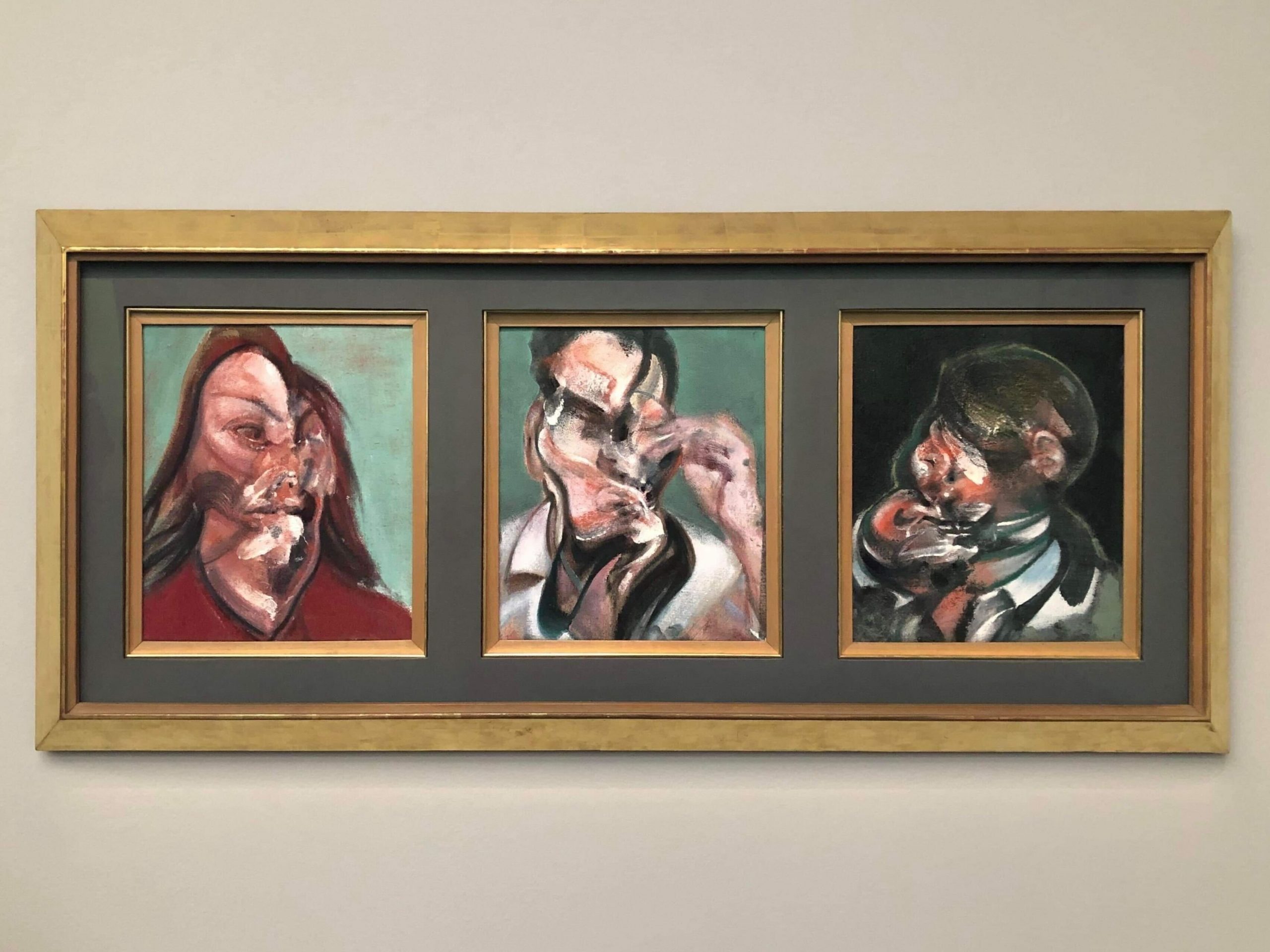
Painting in Circles: the Artistic Relationships of Freud, Bacon, Andrews and Auerbach
Lucian Freud, Francis Bacon, Frank Auerbach and Michael Andrews walk into a bar – it sounds like t