

The Male Lousiness Epidemic
What do the ‘Male Loneliness Epidemic’ and Santa Claus have in common? They don’t exist. But the comparison doesn’t end there. They’re both myths which serve to give people a false sense of comfort in a difficult and confusing world, and most importantly, put men on a pedestal and cover up the unseen struggle of women. Just like it was probably your mum who bought, wrapped and put the present at the foot of your bed on Christmas Eve, the real victim of this so-called crisis of modern masculinity are the women who have to put up with men’s shitty behaviour.
What there has been an ‘epidemic’ of recently, however, is media discourse that presents men with horrifically violent and misogynistic beliefs as nothing more than misunderstood victims of a society that is stacked against them. Adolescence, Louis Theroux’s Inside The Manosphere, The Centre For Social Justice’s report titled The Lost Boys, which begins ‘While the last hundred years have been marked by great leaps forward in outcomes and rights for women, in this generation it is boys who are being left behind’, all of which seem to relate back to a single diagnosis: mass male loneliness. Whether it is caused by absent fathers, isolation due to the internet, or the changing labour market, this growing male loneliness robs boys and men of the confidence, companionship and social skills needed to succeed.
Supposedly, men today are facing a mental health crisis. They are falling behind in education, struggling to maintain romantic relationships, floating adrift in a world where masculinity has been demonised, and are being pulled down a rabbit hole of radical misogyny—and, apparently, everyone but men themselves are to blame for all this. I don’t deny that the men of today seem to be facing real and unprecedented problems, both psychologically and economically. But I think that public discourse surrounding these issues has been warped from its initially altruistic intentions into mere justification of violent male behaviour and ignoring who is really most harmed by the state of modern masculinity—women.
This excessive concentration on men as a disadvantaged group aptly illustrates an idea which seems to be prevailing among today’s feminist thinkers—’the patriarchy harms men too’, or so I am told. Although this is at least partially true, it shows a fundamental misunderstanding of what the patriarchy actually is. The patriarchy is not an abstract belief system that has been magically imposed on us humans, it is a living and breathing entity that men have created, perpetuated and reinforced. Men aren’t negatively affected by the patriarchy. Men ARE the patriarchy. I’m tired of hearing the sob stories of rapists and murderers. I find all of this ‘insight’ into the psyches of horrifyingly abusive men, such as the influencers in Into The Manosphere or the protagonist of Adolescence, about as interesting as cutting my toenails. We need to let go of the myth of the ‘tortured rapist’. This current preoccupation with rationalising men’s abusive behaviour is an intellectual dead end, as it just tells us what we already know: men hate women, and enjoy it. We need to remind ourselves that the patriarchy is first and foremost a system which forcibly takes power away from women and gives it to men, that, regardless of all its side effects, men fundamentally profit from.
One of the main reasons why the idea of men being victimised by society en masse holds so much cultural weight at the moment is the generational divide. Young people are by far the most active users of the internet and consumers of manosphere content. Social media’s amplification of younger voices, far less experienced in how the world works, yet infinitely more inclined towards self-expression and rumination compared to their older counterparts, has given an entire generation a completely skewed perception of society. Many people nowadays seem to think that there has been a seismic societal shift which has turned the tide of patriarchy on men, but this could not be further from the truth. Rather, people of our age are anaesthetised to the extent to which women are still held back by society. This is because they are yet to reach that stage of life where the chasm in freedom and opportunities for men and women is the most pronounced—long-term romantic relationships, marriage and having children.
In 20 years time, when our generation gets off our phones and starts getting married and having children (if that ever even happens), the patriarchy is going to hit us like a train. A recent study carried out by Kings College, London found that in Britain, while only 14% of those surveyed personally agreed that women should take on the majority of childcare or housework, 43% said that women were expected to be mostly or even entirely responsible. If anything, women are not gaining equality in the home, but losing it: men of the younger generation are almost three times as likely to believe that ‘men who take part in caregiving for children are less masculine than those who do not’ compared to their boomer counterparts. While some may think that the way in which men are socialised into the role of provider or protector is damaging to their mental health, we cannot lose sight of how the endurance of these gender norms allow men to continue to profit off women’s domestic labour. The study also shows that misogyny is significantly more widespread among Gen Z men compared to Boomers, suggesting that some of the ‘great leaps forward in outcomes and rights for women’ in the last decades have actually been steps back. Gen Z men are twice as likely than Boomers to believe that ‘a woman should not appear too independent or self sufficient’, and a third of Gen Z men are unashamed to profess that ‘a wife should always obey her husband’. However, what is perhaps most concerning about this study’s findings are their indication of the brewing resentment among young men towards women, as over half of the young men surveyed agreed that ‘We have gone so far in promoting women’s equality that we are discriminating against men’. The rise of far-right radical misogyny among young men, which is founded on this axiom of male victimhood, only serves to cement men’s position at the top of society by, paradoxically, convincing them that they are at the bottom.
Another argument often used to corroborate the idea of mass male loneliness is the supposedly hollow nature of male friendship. Women are lucky. Women get to be vulnerable with their feelings and open with their friends. Men aren’t allowed to show emotion and are denied the deep and fulfilling friendships which women have. I can’t believe I’m about to say this, but I think that this narrative isn’t giving men enough credit. It’s true that there are, broadly speaking, differences between the ways in which men and women make friends. In her book You Don’t Understand Me, Dr Tara Porter writes that boys make friends by sharing ‘physical space’ (eg, shared hobbies like computer games and football which take place in the real world), while girls make friends by sharing ‘emotional space’ (imaginary games, sharing secrets, talking about feelings). While I completely understand how the former mode of friendship, if not supported by emotional understanding and affection, can have unwelcome mental consequences on men, I think perhaps we are underestimating the value of these kinds of friendships and the solidarity that they foster. Men have access to communal spaces such as the pub, the football, and in some cases, the upper echelons of the workplace, that are founded on a shared goal and ethos in a way that women don’t. Women are barred from many of these formative social spaces not only because of their chauvinistic atmosphere, but due to the unequal domestic expectations that are still placed on women, stifling their relationships and creativity. As a result of this divide, it’s not uncommon for female friendships to atrophy with age. In a world where many women are still expected to shoulder the majority of domestic work even in households where both partners work full-time, motherhood can isolate even the most ambitious and sociable of women from their friends and wider support-system. This dichotomy of friendship is another way in which men’s independence is paid for by women’s invisible labour, as they are granted both greater freedom at home and access to a wider, more convivial social sphere.
None of this is to say that men aren’t facing genuine issues. Quite the opposite, in fact. But our current obsession with the myth of the male struggle only serves to excuse men’s abusive behaviour and does nothing to alleviate the real problems they are facing. Feminism will fail at its goal of dissolving the patriarchy if the only way we can convince men to take an interest in gender equality is if they believe that it will benefit them.
The real solution to the ‘Male Loneliness Epidemic’? Encouraging greater empathy for women. Men don’t need more ‘positive male role models’, they need to learn greater respect for female ones. Male dominated spaces and sports should become more welcoming to women, as this would encourage friendship between the sexes that is based on shared interest, rather than conflicting sexual agendas. We can’t let boys and men continue to believe that the world is against them. This simply isn’t true. The question we should be asking is not ‘should feminism be doing more to help men?’, but ‘why aren’t men doing more to help feminism? I suspect that the reason why many boys and men aren’t taking a more active role in feminism is because, despite what the manosphere would have us believe, the patriarchal status quo suits them just fine.
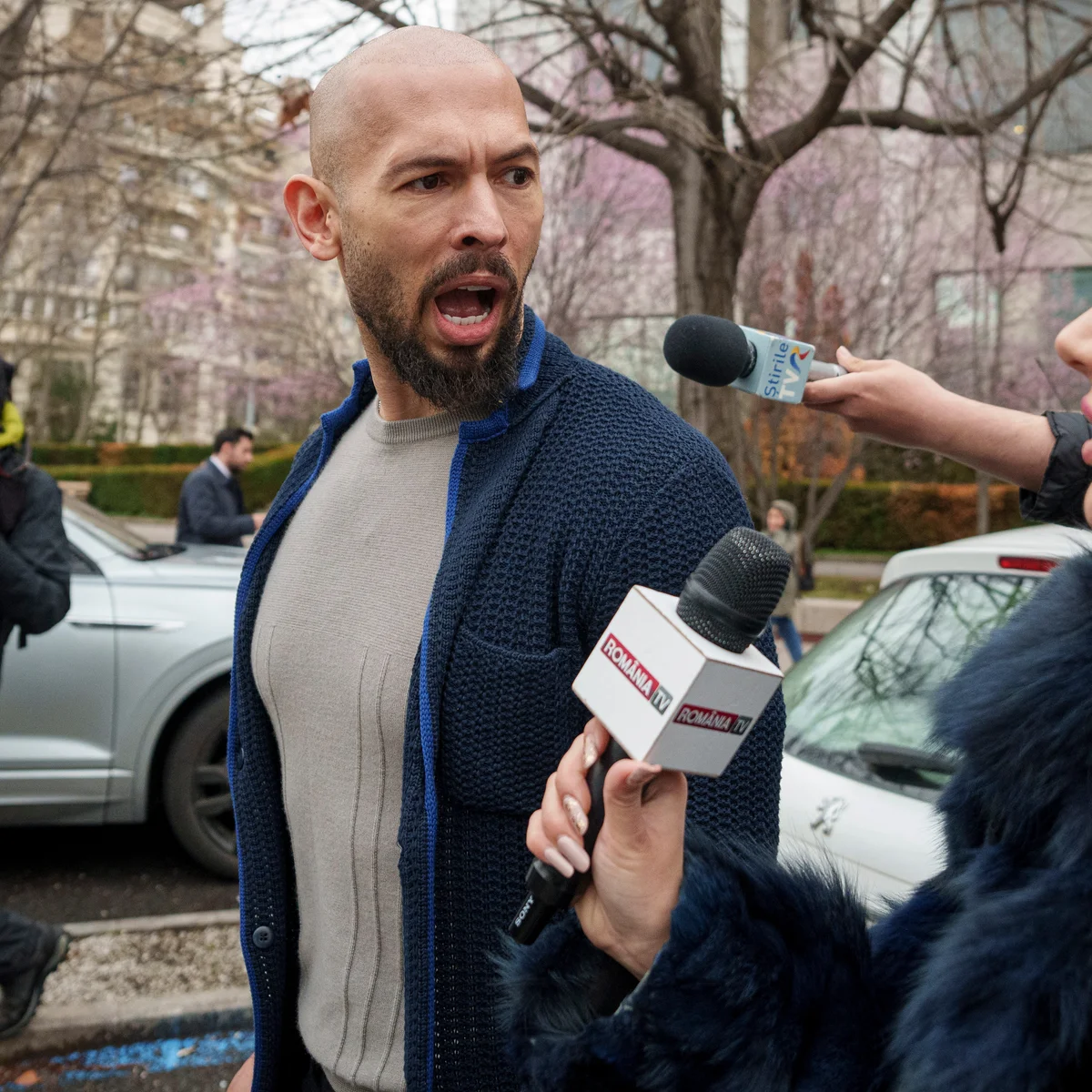
Words by Esther Richards. Photograph by Andreea Alexandru
You may also like

Think of the Children
“The mechanisms of moral panic…lead to the emergence of an imaginary solution – in tougher
PRESSURE POINT – Paddington in Peru: a jar of marmalade and migration?
Minor spoilers for Paddington in Peru I love Paul King’s Paddington film trilogy; it

Equus: Talking to director Marianne Nossair
Bestiality. Making out with horses. Sweaty, sexual intercourse fantasies atop their backs. Dreams, n