

Interrogating the Hickey
The humble hickey. An underdiscussed accessory, although I’m sure some would object to that characterisation. Admittedly, ‘accessory’ seems to afford hickeys far more stylistic merit than they deserve; they’re certainly not as visually interesting as a tasteful tattoo, necklace, or scarf. And excluding the performative amongst us, they often lack the deliberateness which most accessories require.
And yet, despite their distinct lack of aesthetic appeal [my apologies to the indie sleaze community], I’ve begun to notice hickeys everywhere.
Perhaps it’s a product of the winter months. Lovers feel safe. Emboldened. They leave marks with confidence, knowing they can be concealed beneath a seasonally-appropriate turtleneck or scarf. What in summer feels public, dirty, exposed, can be hidden in winter like an intimate little secret.
Or maybe I’ve just tuned into them, and in doing so peeled back the comforting cloak of winter.
The root of my current hyperawareness lies in a recent tutorial. I remember feeling suddenly scandalised when I spotted an (albeit rather modest) hickey on my tutorial partner’s neck. It felt garish. Inappropriate. Almost vulgar.
Perhaps that’s too harsh. But at the very least, it felt absurdly incongruent with the setting. The juxtaposition of the wise and wizened tutor, the grand office of an Oxford intellectual, and a lewd red (or at this point closer to purple) mark. One of these things was not like the others.
But why did it feel so scandalous? A fully grown adult in a committed relationship had sex and got a hickey. Whoop de doo. Hardly something to write home about. At first, I thought it was because tutors had begun to occupy the same space in my head as parents or school teachers. They’d become automatically tainted with a whole host of childish beliefs about authority, modesty, and shame.
But that hardly sounds like me. I have no qualms about chatting to my tutors on the quad, with an abominably visible hangover. I’ve even managed to get drunk during a tutorial once (admittedly with tutor-sanctioned wine).
On reflection, maybe I would benefit from retaining a little more of my childhood sense of overwhelming shame. Regardless, the original conclusion stands. Neither the setting nor the presence of a tutor alone really explain why I felt so affronted by this hickey. Nor do they explain the general revulsion I’ve increasingly heard expressed towards hickeys in The Discourse™.
While mulling this article over, I’ve drummed up an absurd number of conversations about hickeys. From these, two common takes emerged amongst the staunch hickey-hating camp. The first, that hickeys were a regressive, ignorant act because attempting to claim your partner meant you viewed them as property, felt slightly ‘friend that’s too woke’ for me to legitimately explore. While I’m sure it’s true in some cases, an examination of the politics of d/s dynamics feels a little outside the remit of this article. But the second view held much more promise: hickeys aren’t just gross, they’re cringe. Why? Because they’re out of style. They’re juvenile. Products of a teenage era of immaturity and raging hormones.
It’s hard to deny that hickeys carried far greater social weight as teenagers. They were toted around with pride. For teenage boys, they became symbolic of masculinity, virility, sexual prowess. The ultimate locker-room trump card. Teen girls likewise wore them as a stamp of pride—a “tramp” stamp if you will, when 18+ tattoo restrictions kept real tramp stamps off the table. Like the tactical bra strap, intended to draw jealous peers’ eyes to your burgeoning C cups, hickeys could mark you out as a sexual debutante.
For the nostalgic amongst us, maybe these memories can be recalled fondly. The hickey survives as an endearing motif of teenage years past. A slightly sweet reminder of our previous impropriety. But from my many many probing conversations, I’ve gathered that this is hardly the dominant view. To most, the hickey is a mortifying symbol of a bygone era. Something which must be vehemently abandoned to frivolous youth.
Perhaps that is where my sense of their vulgarity originated from: a desire to firmly distance myself from the stain of immaturity. It would make sense. I’ve caught myself having more of the classic Oxford™ moment this term. Like the final scene in a predictable indie movie, I’ve been wistfully staring into space in the Rad Cam and other suitably grand settings, reflecting on how distant I feel from teenage me. How far I’ve come. How lucky I am.
As I type, I’m recognising that I read like the nauseating manic pixie narcissist character; you’ll have to forgive the self-caricature.
Sat in an Oxford tutorial, maybe the source of my shock was not the hickey itself but the realisation that my supposed arc of evolution has been an affectation. Maybe we can never escape the embarrassment of being human. Of making mistakes and being immature and vulgar and awkward. Of living in a perpetual cycle of looking back at yourself and cringing. And looking back at you looking back at yourself and cringing at what you cringed at. One must imagine Sisyphus mildly embarrassed.
And yet, it hardly seems fair to banish hickeys to the humiliating past when they appear to be experiencing constant revival. In my pursuit of a definitive spelling of the word [neither hickeys nor hickies really look right—probably evidence I shouldn’t have ignored that they’re not a topic worthy of the written word], I came across an abundance of articles: writers in 2009 , 2018, and 2021 all declaring the resurrection of the hickey to pop culture glory.
In fact, references to hickeys extended much further back than the internet archive allowed. I stumbled across a rather beautiful Heinrich Heine poem from 1851 titled Schlachtfeld bei Hastings. In it he describes Edith the Fair’s discovery of King Harold’s mutilated body at the Battle of Hastings. He writes:
Auf seiner Schulter erblickt sie auch –
Und sie bedeckt sie mit Küssen –
Drei kleine Narben, Denkmäler der Lust,
Die sie einst hineingebissen.
And at the shoulder looked she too —
And them she kissed contented —
Three little scars, joy-wounds her love In
Passion’s hour indented.
(translated by Julian Fane, 1854)
Heine’s words elevate the hickey to something epic. So charged with passion that on first read, it feels slightly ambiguous what ‘joy-wounds’ refers to. The desperation and desire which the phrase evokes feels a long way from our modern understanding of the hickey.
Maybe it’s a product of the word itself. Something about the consonants of ‘hickey’ feel harsh, unpleasant, gross—forgive the silliness but icky. And there are very few synonyms which don’t make me shudder. The only one google could produce was ‘love bite’ which feels far too Armie Hammer-esque to be appropriate (allegedly). I have a feeling ‘joy-wounds’ won’t catch on either.
But the mark alone, only ephemerally exposed as a scarf slips, concealer rubs, or collar shifts, surely bears nothing vulgar in itself. It’s been unfairly tainted by the words we use to describe it. [Insert a moment for the post structuralists to nod sagely]. To categorise it as something gauche or inappropriate surely reeks of prudishness, of a puritanism that, no matter how comparatively sexless Oxford may be, seems too far even for us.
Against a tide of often explicitly fascist purity culture, perhaps hickeys are the last bastion of progressivism. As incel influencers become more and more comfortable shaming “OF hoes” online, and the right wing pushes us towards tradwifery with all its misogynistic implications, and the only genuinely pro-sex movement we have left is from not-so-subtly eugenics-supporting pronatalists, hickeys are a visually and politically bold badge of protest. A scarlet stamp which Hester Prynne might be proud of. A symbol to declare: we will not fall for your misogynistic right wing shame culture body count bullshit.
Or maybe I just think about other people’s sex lives a little bit too much.
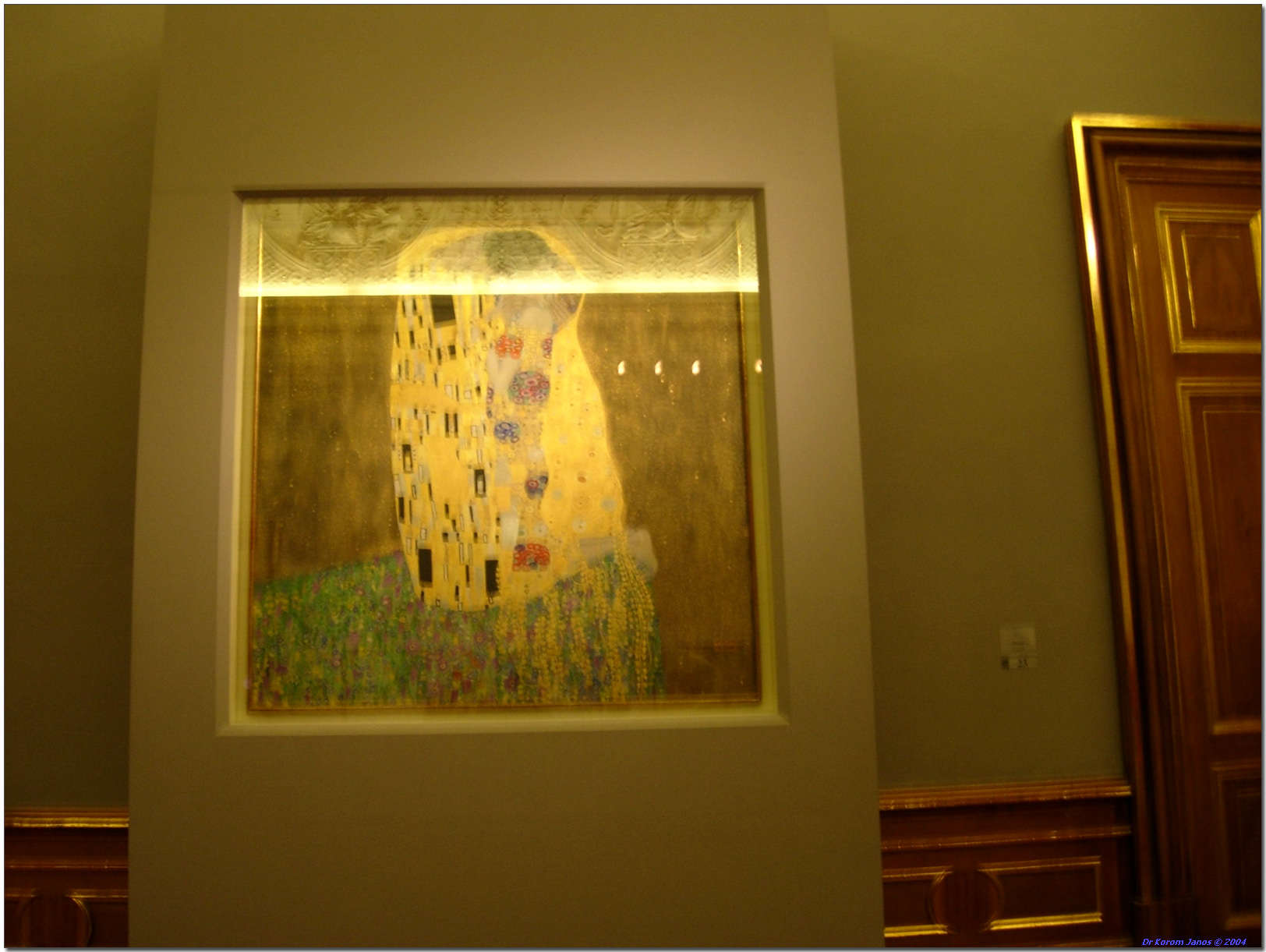
Words by Laura. Image via Wikimedia Commons.
You may also like
Making ISIS video
Isis Retrospective from The Preview Show on Vimeo.
Harder Than Harvard
Whether Harvard actually does discriminate against Asian applicants (it does), and whether repealing
Antigone of Syria
“Our two brothers on a single day, A wretched pair, with hands aimed at each other, Killing themse