

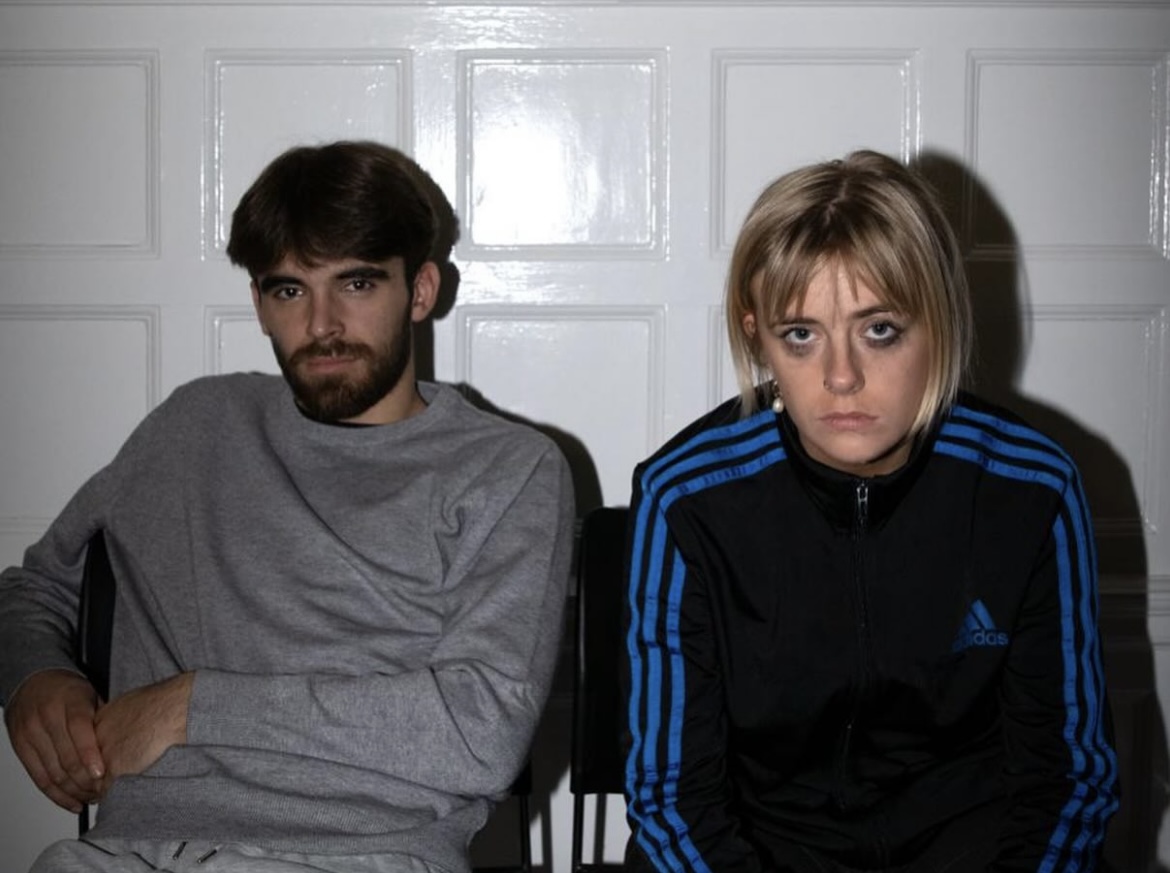
Orla Wyatt’s A+E is incredible
You’ve not really been to uni until you’ve sat overnight, squirming and overheated, on the JR’s cold, plastic chairs, anxiously waiting for your (or your flatmate’s, or teammate’s, or partner’s) name to be called out, granting you coveted access to a doctor through those swinging metal doors. Please excuse the slightly trite (but genuinely meant) segue I’m about to make, when I tell you that you’ve not really been to a good original student play until you’ve seen Orla Wyatt’s A+E. Staged by Wide Eye Productions, the one-hour piece is one part political commentary, one part raucous romp, slightly nonsensical, and absolutely excellent. Wyatt is now undoubtedly on my list of Oxford drama talents to watch.
The piece is set entirely in an A+E waiting room, and opens with projected text that both introduces the first characters— a lady with a sandwich, a dying person, and a receptionist— and informs the audience that the play is based on a true story. It also manages to be madly funny. Breaking the fourth wall, the text posits the audience as a bunch of nosy on-lookers, who ‘laugh at all the right moments.’ When the play comes to its tragic end (the dying person, who remains on stage throughout the play, dies with little fanfare as a result of A+E waiting times), the audience’s role as a bunch of on-lookers, distracted by the antics of the main characters, serves as a sharp commentary on our collective culpability for the ills of society. It’s not just the crumbling NHS. The audience is probed to consider their own role in perpetuating the woes of classism, drug addiction, domestic abuse, truancy, and any number of social issues.
The writing is tight, sharp, and laugh-out-loud funny, made even better by the play’s expert cast. I was engrossed, at once admiring their acting chops and Wyatt’s ability to capture real people on the page. Supporting actors Trixie Smith (Sandwich Lady/Police Officer) and Ice Dob (Receptionist/Police Officer) seamlessly and continuously switch between two roles each. Smith is excellent as Sandwich Lady, a posh London mum who volunteers as a soup-kitchen, and so perfectly encapsulates the inane condescension inherent in the classism of the wealthy. Her apparently well-meaning, cringe-worthily self-serving interactions with Dob as the Receptionist are comedic highlights of the piece. Dob deserves her own mention— working with relatively little dialogue, her Receptionist is expertly-crafted and, once again, nails the piece’s tragi-comedic tone.
The play’s longest and most nuanced scenes centre on the dialogue between Evie (Maisie Lambert), a middle-aged crystal meth addict, and Adam (Ollie Milligan), a troubled prisoner whose crime was assaulting his then-girlfriend. These are characters the audience feels the know already, a theme throughout the play. Wyatt’s writing, however, forces us to look deeper, to see these satirical archetypes as complex human beings. The leads of this production were more than up to the task. Lambert is a force on stage from the moment she enters. Her Evie is at once hilarious, tragic, complex and sensitive. Milligan, similarly, creates a resoundingly nuanced and terrifying portrait of a man who’s both been abused and abused others. The genius of the piece is that it doesn’t seek to make excuses for the characters and their vices— when Adam and Evie explain their respective tragic backstories, it doesn’t feel like a condescending attempt to rationalise their destructive behaviour. Nor does it veer into jeering classism: Evie and Adam are intensely real, in both a theatrical and a literal sense. Their stories are not unique, nor are they universal, but in Lambert and Milligan’s hands they are strikingly personal. Overall, Orla Wyatt’s brilliant A+E is definitely not one to miss.
Words by Kalina Hagen. Image by Phoebe Birch via Wide Eye Productions.
You may also like
Why we should sleep more: An interview podcast with Professor Russell Foster
ISIS Interviews Professor Foster on changing attitudes to sleep, why we need more and Thatcher's sle
Live on Mars: an Interview with Adam Mars-Jones
A piece from the ISIS archives.
GUILLOTINE: In defence of Flat Earthers
Søren Kirkegaard’s Concluding Unscientific Postscript has a funny little story: a lunatic