

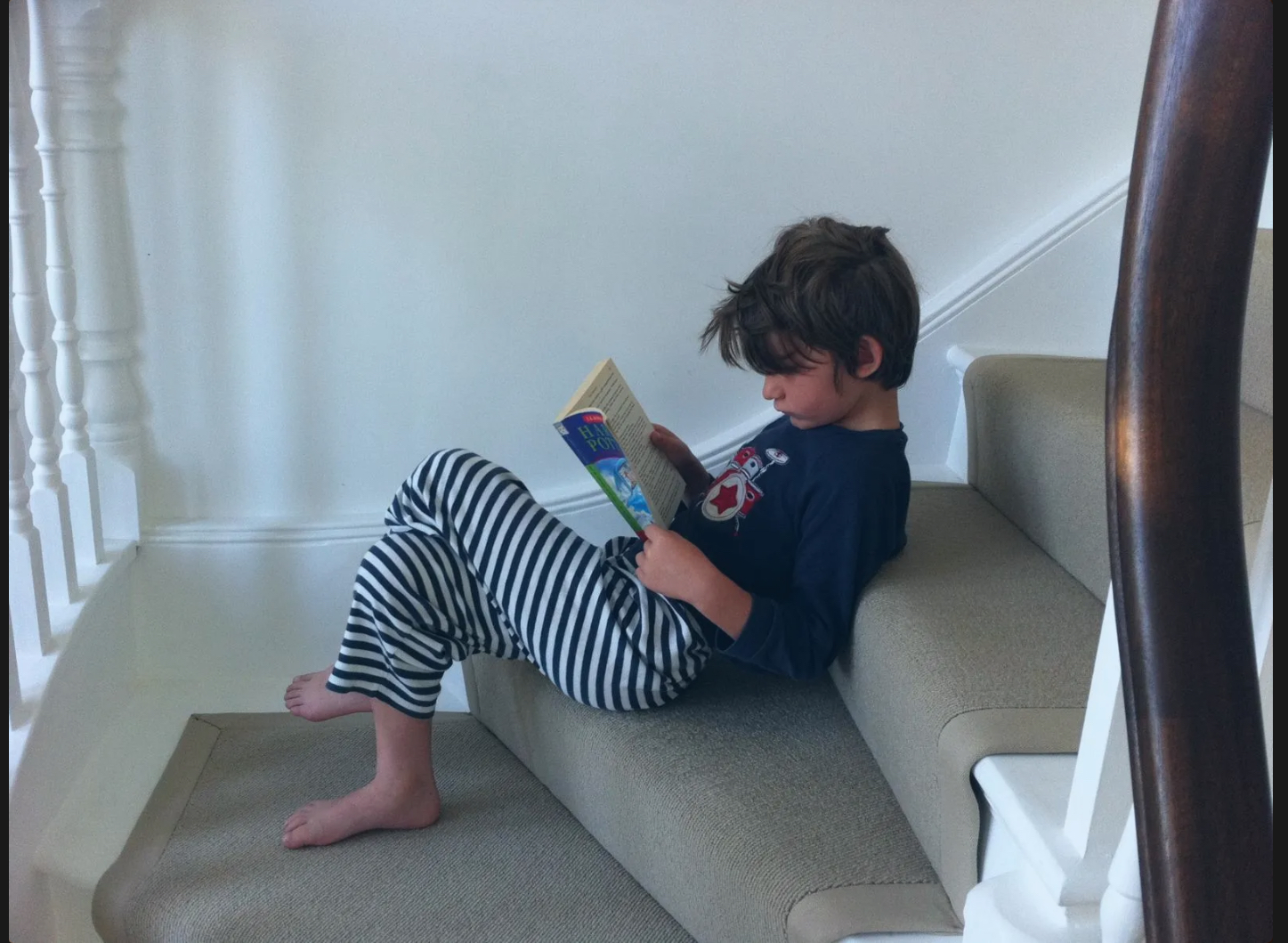
Letter to the Editor: Part of the solution
To the Editor,
How refreshing to be seen!
Many-a-time I have been accused of performative reading. Occasionally, I carry a novel in my back-pocket. This seems to provoke especially vehement allegations of performativity…but isn’t that the point of a paperback? One day stands out in particular—the day I had Jane Austen’s Emma nestled beside my bottom.
Yes. I read feminist literature. Lots of it.
At this point, I ought to mention that I study English. Emma, along with Austen’s Persuasion and Northanger Abbey, was on my reading list. As I sallied on a summer day towards a group of friends sat on the lawn, I was fraught with anxieties. My hearing with the tribune I knew would not be favourable; I would be a Mersault in court, Frankenstein’s creature entering the village.
Verbal batteries assailed me every which way: sardonic remarks denigrating my engagement with women’s writing. How did I escape? Feigned outrage at the conduct of my fellow men in the group: ‘at least I’m part of the solution!’
This was all hilarious of course.
It’s incredibly odd too, however. In Ms Hagen’s words, it suggests a ‘famine of earnestness.’ Indeed, my friends and I engaged in an ironic dance, arbitrarily claiming aesthetic and political positions to reconcile my carrying a copy of Emmafor my degree. Ms Hagen deftly explores the gendered politics of performative reading, yet there is more to be said for the paradoxes in modern conceptions of performance it reveals.
Someone might reasonably object that it’s just a laugh—my friends were taking the mick. But why? The whole gag only works because it references this internet phenomenon of performative reading. Another time I sparked incredulity by sending my friend a picture of a beer I was drinking and book I was reading while waiting for her at the pub. She responded: ‘if I didn’t know you…’ The thing is, she does know me, all of my friends do, yet performativity hangs about like anelephant in the room that must be acknowledged before we can move on. It’s an absurdly self-referential joke that is sustained by its contrived presence in social media discourse.
The paradox peaked at San Francisco’s ‘performative male contest’. Gladiators dressed in knit jumpers and baggy jeans, armed with tote bags and Labubus, competed to be crowned the Ultimate Performative Male. No real fake men attended.Instead, a profoundly odd group of people apportioned clout to those who best performed the ‘performative male’. Evidently this is an inane and hypocritical exercise, yet it speaks to our strange relationship today with performance and authenticity. It’s hard not to suspect this is the expression of a crisis of authenticity.
Today, the paparazzi are ubiquitous. We see the smallest, most authentic parts of our life reflected in the black mirror. At all times. Shakespeare wrote: ‘All the world’s a stage, and all the men and women merely players’—to live is to perform. The paradigm has reversed: ‘you’re on camera; look natural’—to perform is to live? We are actors whether we’ve asked for the stage or not and all the time we are watching living performances. In these conditions the concepts of authenticity and performance seem inadequate tools for understanding modern life.
Yet here we are, trying to assert the relevance of these ideas. It’s strange that reading has become a popular site for this. ‘Performative’ appears to have become a substitute for a type of nonconformity; few people today read in public, especially with actual, physical books. Allegations of performativity are also far more probable when someone is reading a well-known text: an Austen, a bell hooks, The Communist Manifesto. More niche books are safe; someone reading Fanny Burney or Frederic Jameson might actually be more knowledgeable than you.
Ms Hagen gestures towards the ‘performative’ label as a gatekeeping technique: ‘Implicit here is the message that important, powerful, provocative books […] can only be authentically read and enjoyed by women.’ While this forms a significant part of the issue, there is also an anti-intellectual bent present—one especially hostile to neophytes. There appears to be a tacit assumption that ‘authentic’ people should already have a certain bank of cultural capital (socialist, feminist, progressive) or not have one at all. Anyone reading ‘introductory’ material in public is showing off ‘elementary’ stuff. In this way it is an impressively elitist construction that creates a hostile atmosphere to those who dare to introduce themselves to progressive ideas.
Pick-mes have always existed. But public reading as pick-me behaviour in this cultural moment is a worrying association. Reading levels are down; misinformation is proliferating; the far-right is thriving through fear. Surely we are in need of a culture that celebrates literacy. Instead, we mock publicreaders, performing our authenticity whilst fostering anti-intellectualism. So at least make it funny when you do it. You’ve been a great audience. Choose me.
Sincerely,
Niccolo Albarosa
Read Kalina Hagen’s original piece, ‘Fellas, is it gay to read?’ here.
Words by Niccolo Albarosa. Image via Niccolo Albarosa.
You may also like
noughtie and nice
★ ✩ ✮ ✯ ✰ ☆ ⋆★ ✩ ✮ ✯ ✰ ☆ ⋆★ ✩ ✮ ✯ ✰ ☆ ⋆ It’s 5th week. T

Not an Apology: The Real Housewives and Me
I have, in true Housewives fashion, only one thing to say to you. I regret nothing. This is no cauti

Excavating the Nightmare: Finding Prince Charming
It was one of the most anticipated reality shows of the decade: A gay Bachelor. The original Bachelo